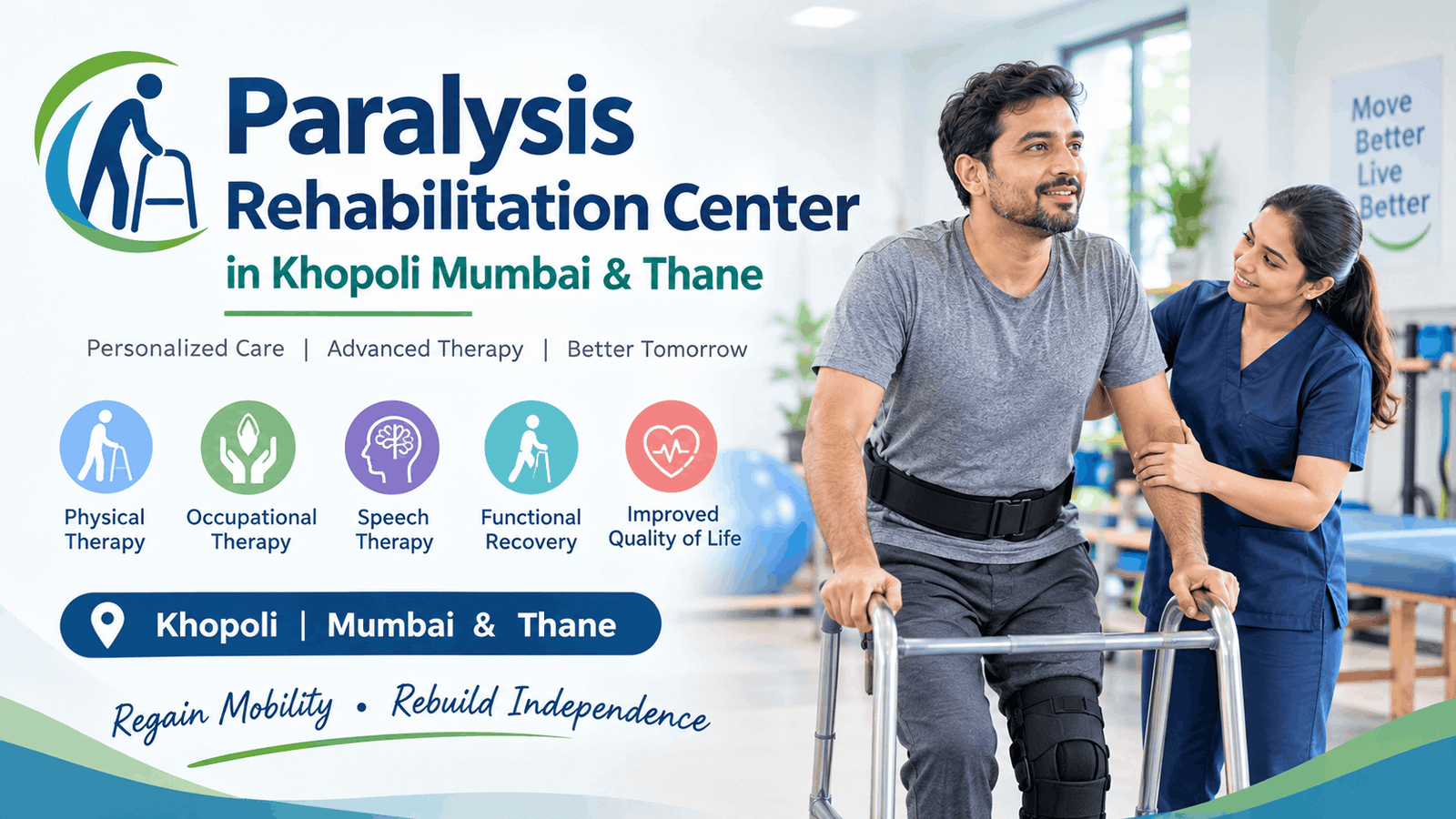
Paralysis Rehabilitation Center in Khopoli Mumbai & Thane-Urjaneurocare Center
Paralysis can affect movement, balance, strength, speech, and daily activities. It may occur after a stroke, brain injury, spinal cord problem, nerve condition, or other neurological disorder. Recovery often requires regular rehabilitation, patient support, and a structured treatment plan based on the person’s condition.
At Urja NeuroCare, rehabilitation focuses on helping patients improve their physical abilities and become more independent in daily life. Paralysis rehabilitation center in khopoli mumbai & thane is a specialised service for people who need professional rehabilitation support after paralysis or neurological illness.
The goal of rehabilitation is not only to improve movement but also to help patients safely perform activities such as walking, sitting, standing, changing positions, using their hands, and communicating.
Physiotherapy is not limited to treating pain. It can also help people improve strength, flexibility, coordination, balance, mobility, and functional abilities after an illness, injury, surgery, neurological condition, or prolonged period of inactivity.
About US
Urja NeuroCare
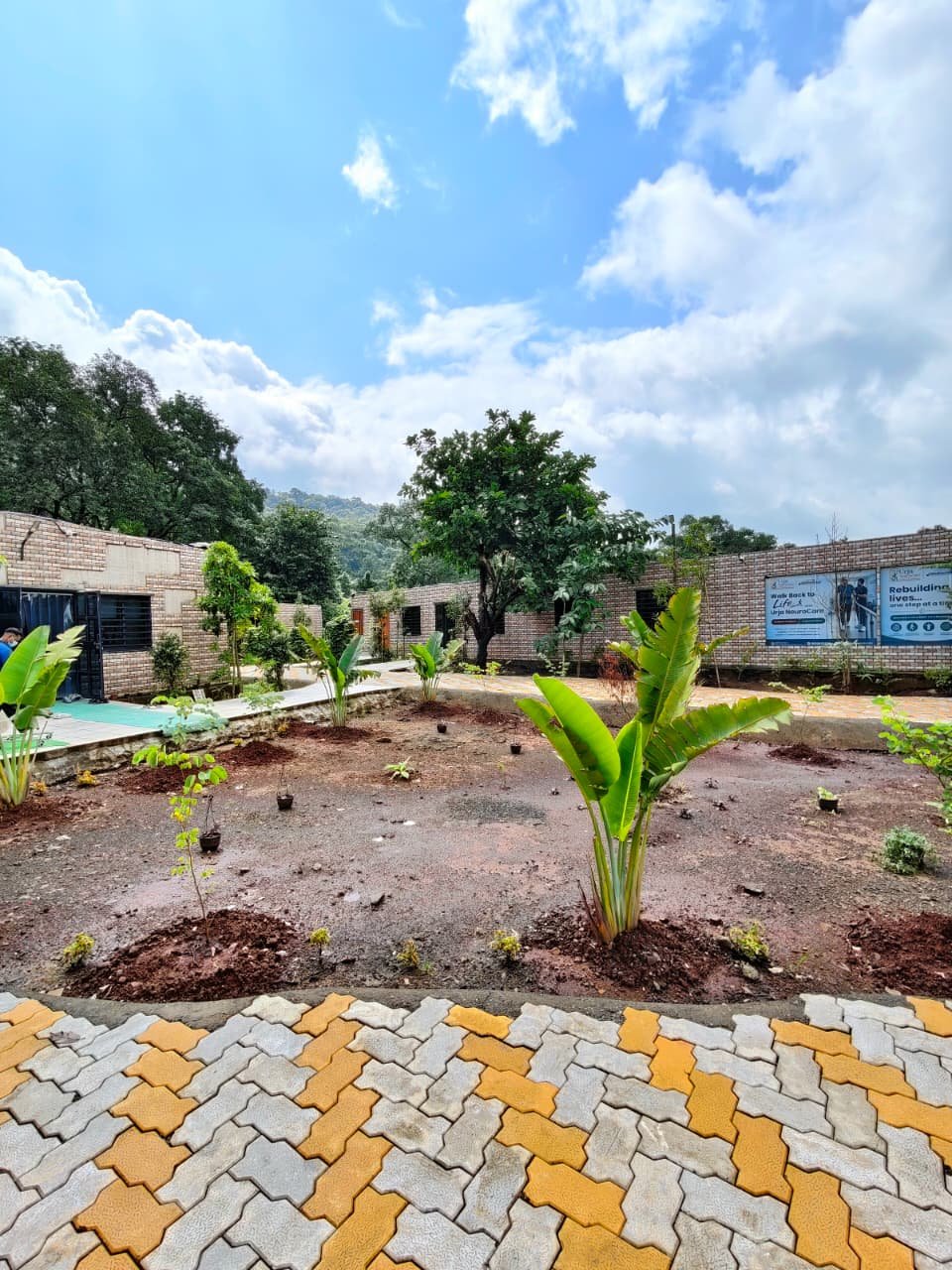
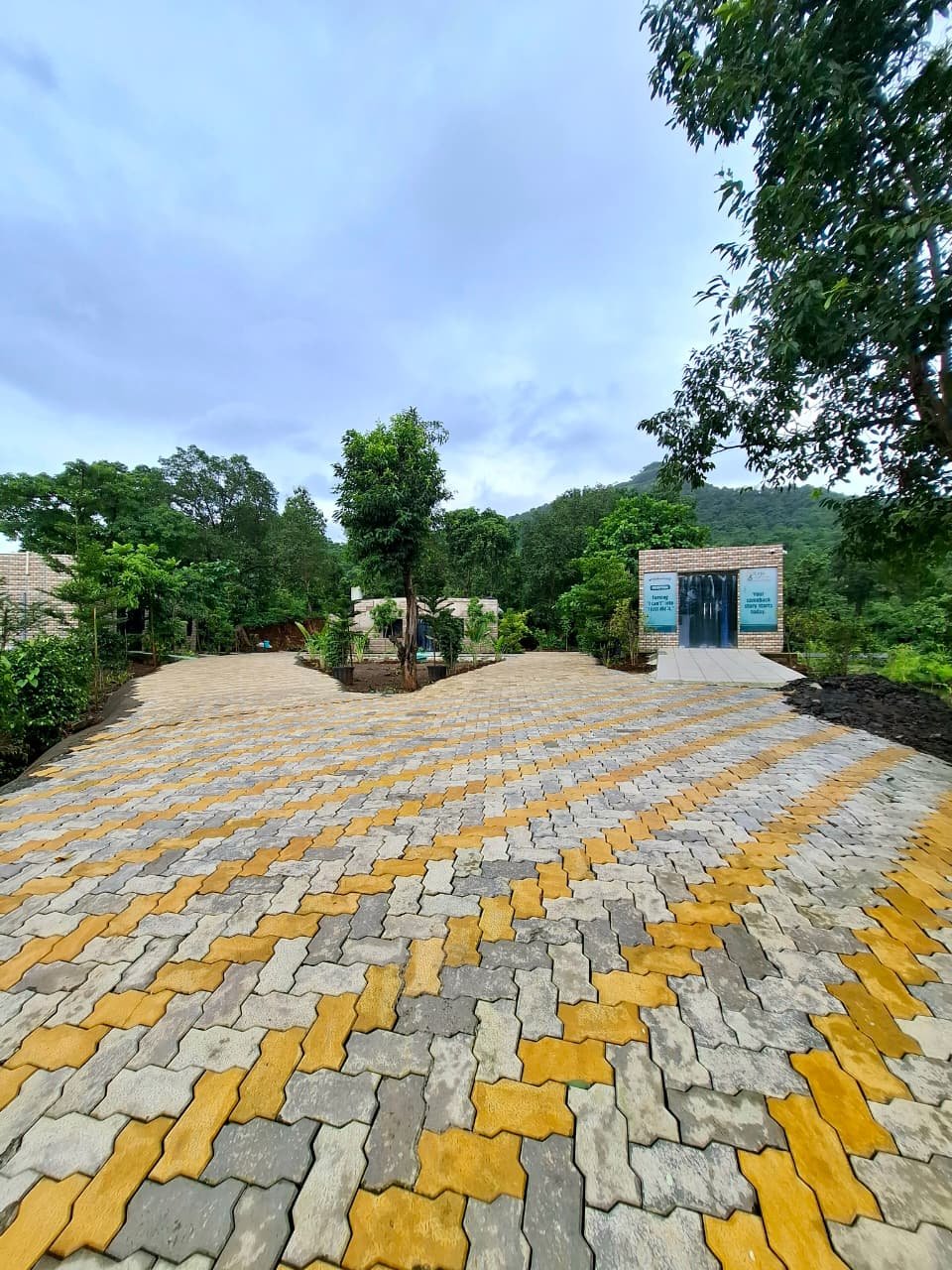
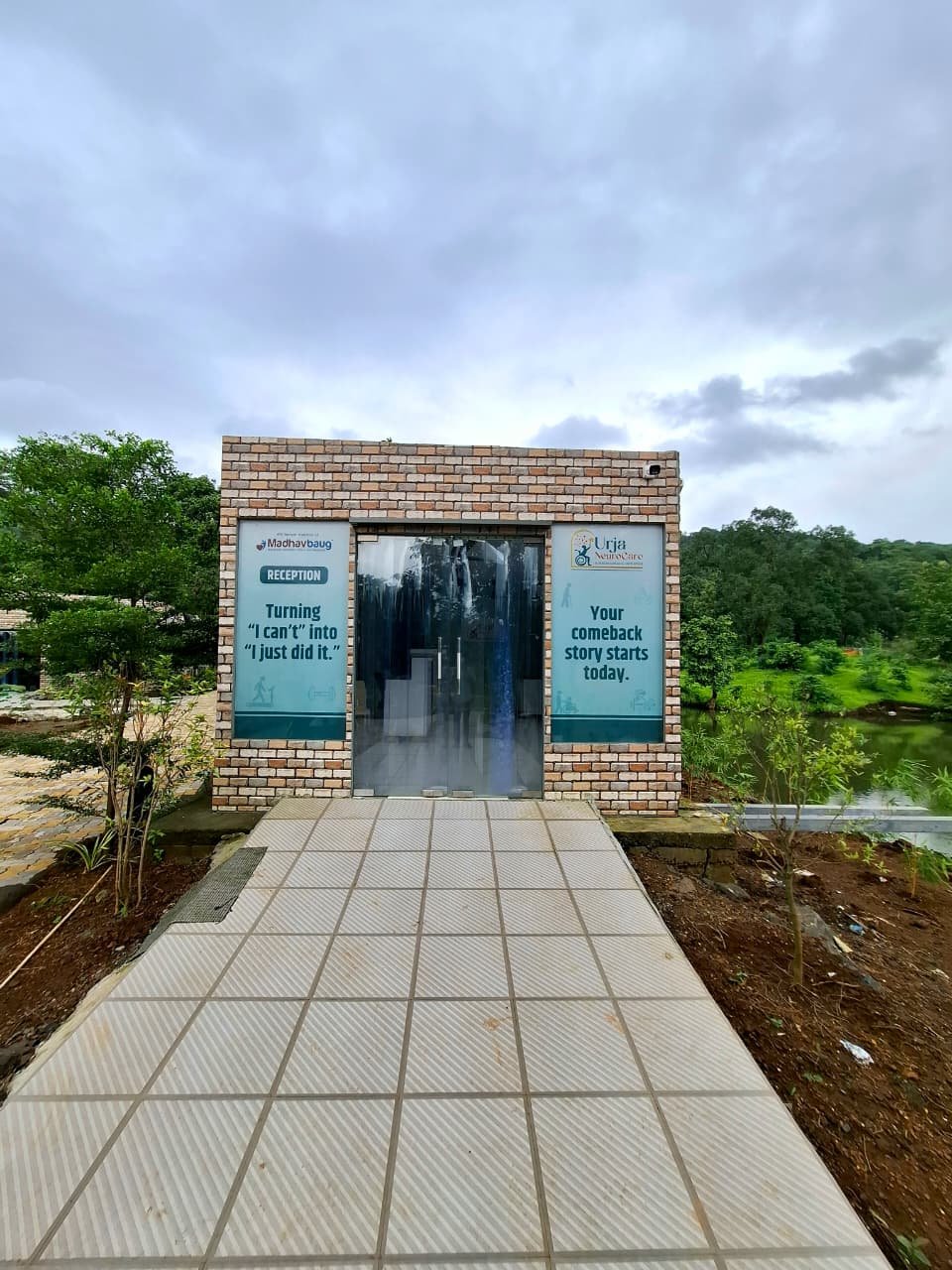
Our Journey began from the outskirts of Navi Mumbai. Nestled within the serene Madhavbaug Hospital Campus in Khopoli, Urja NeuroCare combines advanced therapy infrastructure with peaceful greenery to support both physical and emotional healing.
Recognizing the lack of long-term rehab options for paralytic individiuals, Dr. Rohit Madhav Sane (MD & CEO, Madhavbaug) envisioned Urja NeuroCare. His collaboration with Dr. Ravi Rajesh Srivastava (PT)—specialist in residential physiotherapy rehab—brought this vision to life.
Together, they lead Urja NeuroCare with a shared belief: continuous improvement, holistic healing, and restoring human dignity through care.
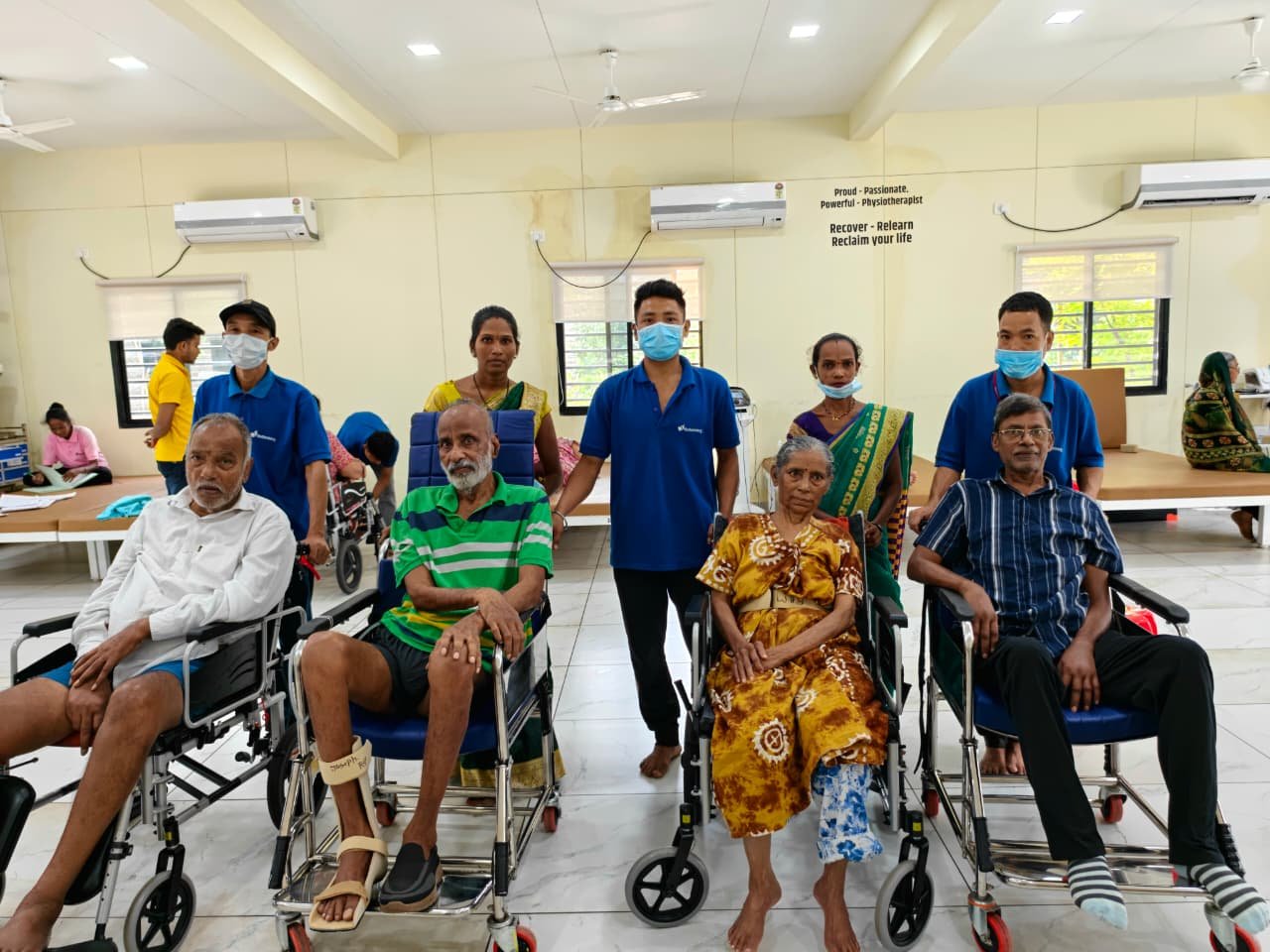
Who We Care For
1. Neurological Recovery Warriors:
For individuals recovering from Stroke, Spinal Cord Injury, GBS, CIDP, Parkinsonism or mobility loss.
2. Short-Term Rehabilitation Guests
For outstation or international patients seeking short-duration intensive recovery after hospitalization.
3. Respite & Family Support
Temporary residential care for bed ridden individuals so that their families can get a break and they can leave their loved ones for few days in expert care.
4. Supportive Elderly Care
Round-the-clock assistance, strengthening exercises and emotional companionship for aging parents.
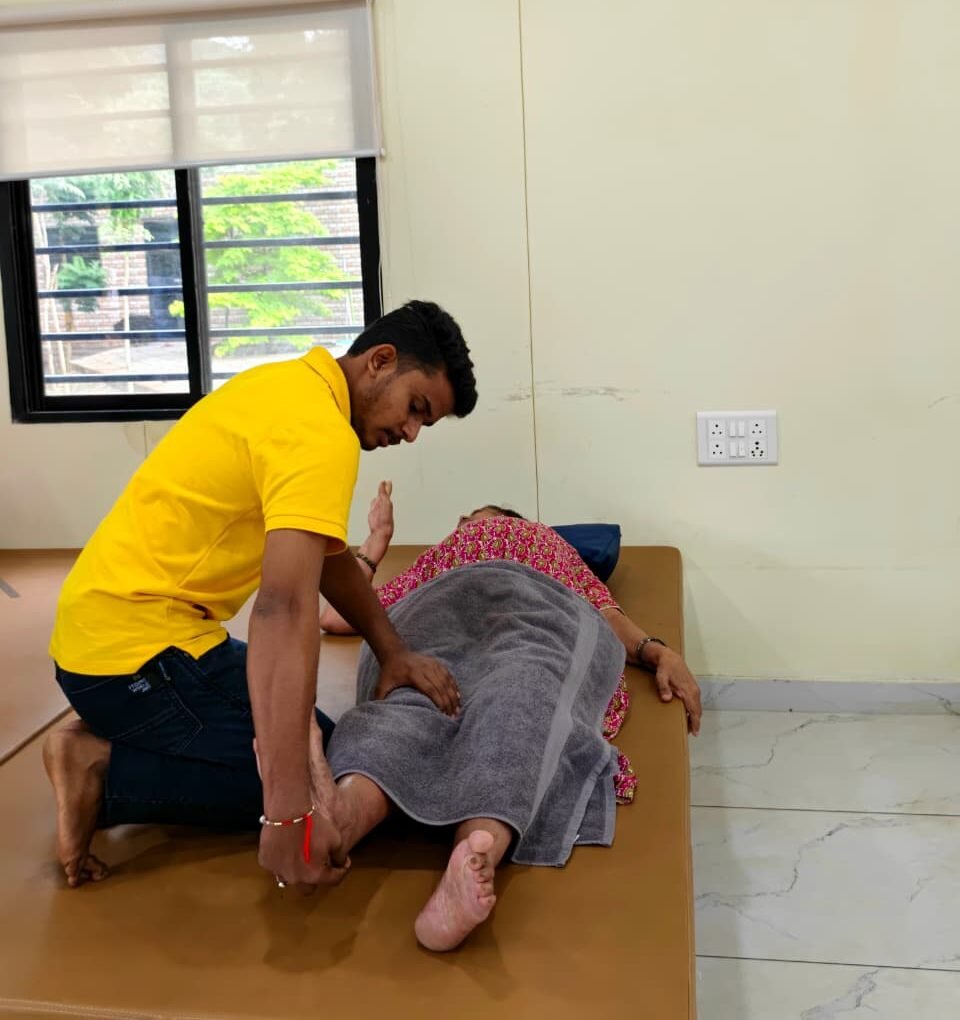
Our Services
Explore Urja NeuroCare’s comprehensive services: physiotherapy, occupational and speech therapy, 24×7 caregivers, nursing rounds, diet, recreation and emotional support for recovery
Core Rehabilitation Services:
- Neuro & Ortho Physiotherapy
- Occupational Therapy
- Speech & Swallow Therapy
- Panchkarma Therapy
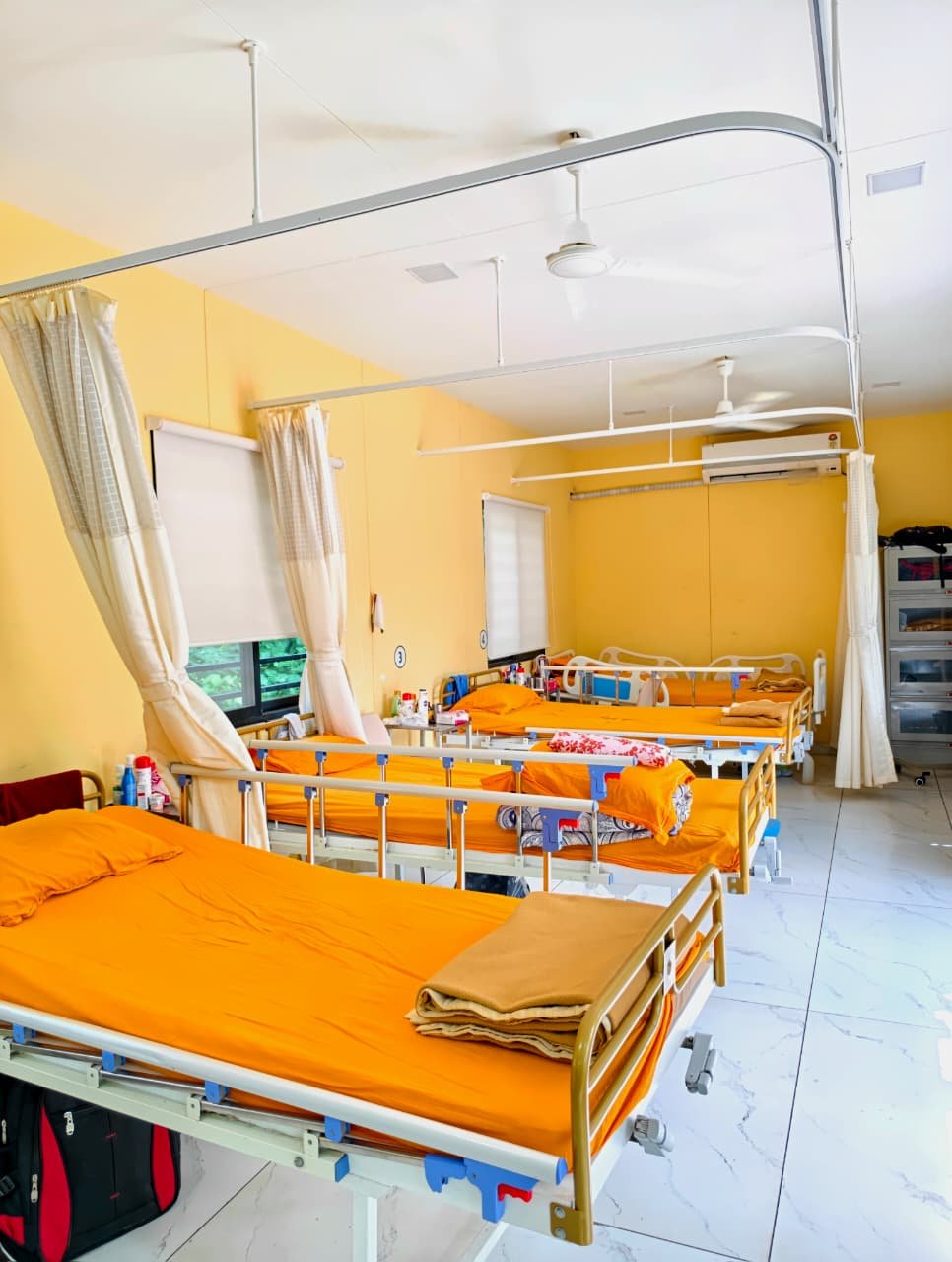
- 6 bed sharing and twin sharing Residential Facility
- Music, Group & Recreational Therapy
Supportive Amenities:
- Dietitian-planned whole day meal
- Ryle’s tube feeding available
- Therapy garden & walking track
- 24×7 caregivers and nursing rounds
- Regular physician rounds
- Laundry, housekeeping
- Pharmacy delivery (on call)
- Pathology support
- Emergency-ready hospital with ICU backup
Our Recovery Journey
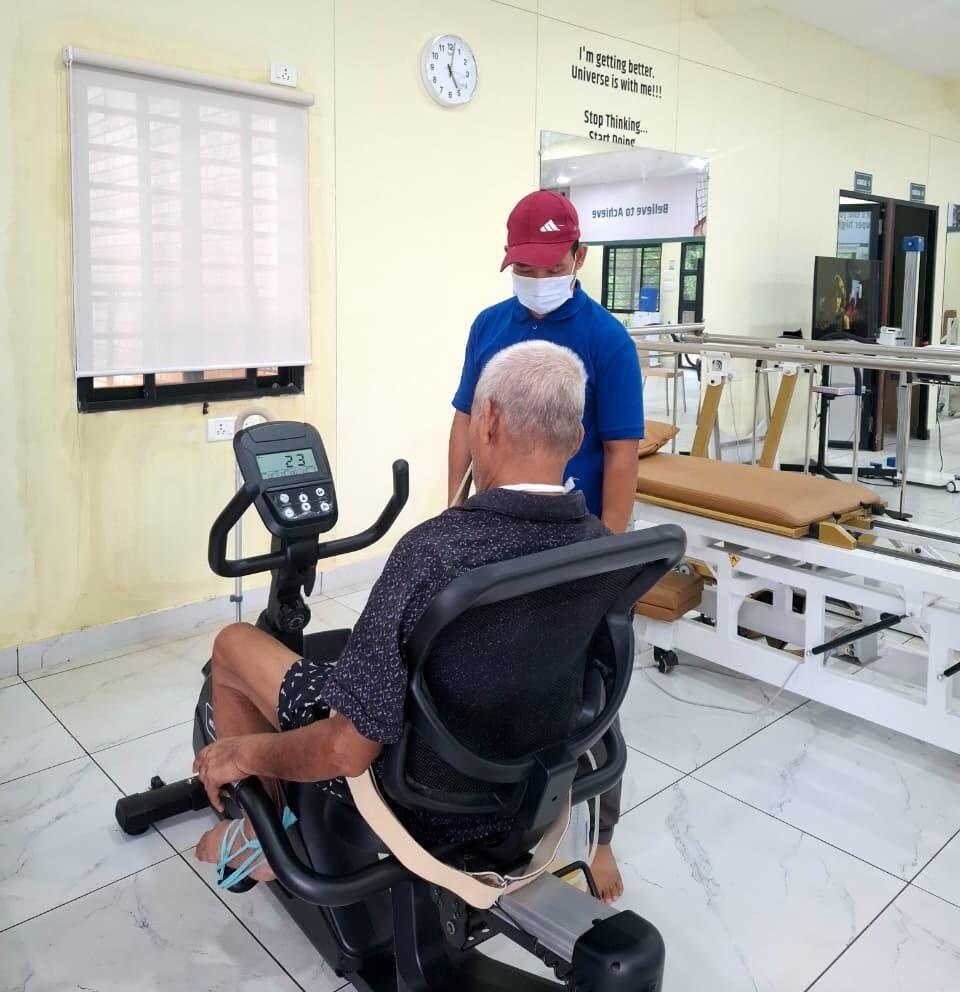
Each resident’s day is carefully structured into purposeful therapy moments designed to nurture body, mind, and spirit.
Morning Rejuvenation Session
Starts the day with energizing mobility exercises and positive affirmations—setting the tone for progress.
Mid Day Strength & Stability Session
Targets muscle power, endurance, and trunk control—restoring strength and confidence step by step.
Evening Balance & Coordination Session
Refines posture, coordination, and control for smoother, more independent movement.
Advanced Challenge Session
Optional high-intensity therapy for those motivated to accelerate their recovery goals.
Enhanced Panchkarma Session
Panchkarma session for mind and body to the sub-acute cases for the holistic rehabilitation
Cognitive Play Session
Fun, game-based therapy to enhance mental agility, focus, and hand-eye coordination.
Harmony Group Session
Voice & Communication Session
Residential Rehabilitation Packages
Simple, transparent packages that include therapy, stay, meals and 24×7 nursing care.
Twin Sharing Room
- AC accommodation
- 3 therapy sessions/day (2 on Sundays & holidays)
- 24×7 nursing & caregiving support
- Dietitian-prescribed meals
- Group, play & recreational therapy
- Regular GP rounds
6-Bed Sharing Room
- AC accommodation
- 3 therapy sessions/day (2 on Sundays & holidays)
- 24×7 nursing & caregiving support
- Dietitian-prescribed meals
- Group, play & recreational therapy
- Regular GP rounds
Exclusions:
- Additional sessions beyond 3/day
- Consumables & medical supplies
- Catheter, Ryle’s tube and special procedures
- Specialist consultations & investigations
- Relatives’ rooms and Ambulance/Cab transport
What Is Paralysis Rehabilitation?
Paralysis rehabilitation is a planned process that helps a person regain as much movement, strength, coordination, balance, and independence as possible.
The rehabilitation program depends on the type and severity of paralysis. Some patients may have weakness on one side of the body, while others may have difficulty moving their arms, legs, or several parts of the body.
A rehabilitation team may use physiotherapy, occupational therapy, speech and swallowing support, mobility training, balance exercises, positioning techniques, and daily activity training according to the patient’s needs.
What Causes Paralysis?
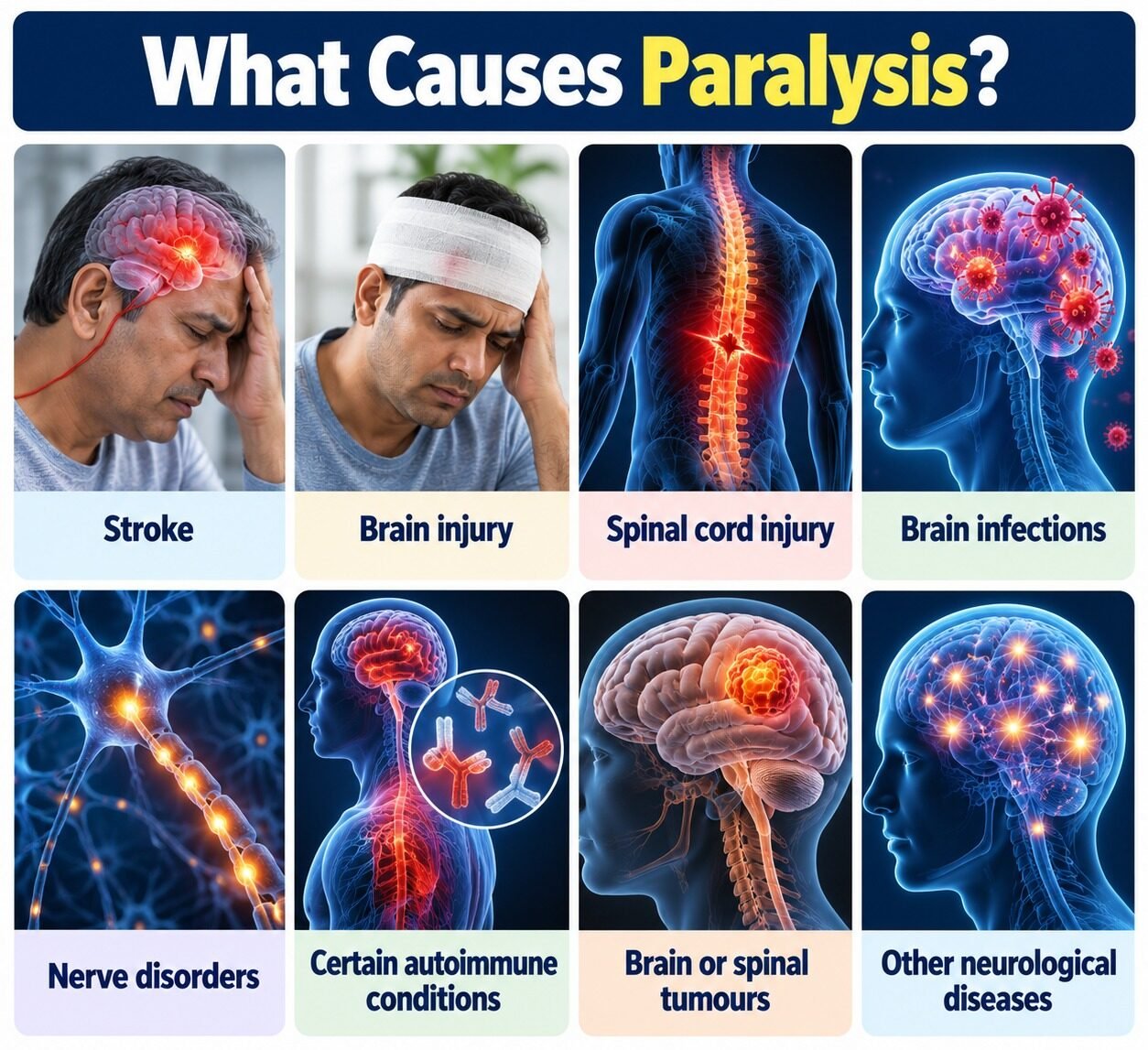
Paralysis may develop because of several neurological conditions. Common causes include:
- Stroke
- Brain injury
- Spinal cord injury
- Brain infections
- Nerve disorders
- Certain autoimmune conditions
- Brain or spinal tumours
- Other neurological diseases
Stroke is one of the common causes of sudden paralysis. Rehabilitation after stroke should begin according to the patient’s medical condition and doctor’s advice.
Why Is Rehabilitation Important After Paralysis?
Paralysis can affect more than movement. It may also impact balance, coordination, posture, communication, swallowing, confidence, and the ability to perform everyday activities. Choosing the best paralysis rehabilitation in Khopoli Mumbai & Thane can help patients receive structured and goal-focused rehabilitation based on their individual needs.
A structured rehabilitation program helps patients practise useful movements repeatedly and safely. Regular physiotherapy and rehabilitation may support improvements in muscle strength, balance, mobility, coordination, and functional independence. Therapists may also focus on improving daily activities such as walking, sitting, standing, and transferring safely.
Rehabilitation is usually a gradual process, and progress can vary from person to person. Some patients may notice improvements within a shorter period, while others may require longer-term therapy and continued support. Consistent rehabilitation, proper guidance, and family involvement can play an important role in supporting recovery and improving quality of life.
What Does Paralysis Rehabilitation Include?
A personalised rehabilitation program may include several types of therapy.
1. Movement and Strength Training
Exercises may be used to improve muscle strength and control. The therapist selects exercises according to the patient’s ability.
The program may start with simple movements and gradually progress as the patient becomes stronger.
2. Balance Training
Paralysis can increase the risk of falls. Balance exercises help patients practise safe sitting, standing, weight shifting, and movement.
The therapist may gradually introduce more challenging activities as the patient’s balance improves.
3. Walking Training
Patients who have difficulty walking may receive gait training. This may include practising standing, transferring weight, taking steps, and using mobility aids when required.
The aim is to make movement safer and more functional.
4. Hand and Arm Rehabilitation
Weakness in the hand or arm can make daily activities difficult. Therapy may focus on reaching, gripping, releasing objects, coordination, and functional hand movements.
Activities are selected according to the patient’s specific limitations.
5. Daily Activity Training
Rehabilitation also focuses on activities such as dressing, eating, bathing, transferring from a bed to a chair, and other everyday tasks.
This functional approach helps patients work toward greater independence.
Common Rehabilitation Activities
Rehabilitation Area | Main Goal |
Range-of-motion exercises | Maintain joint movement |
Strength training | Improve muscle control |
Balance exercises | Improve stability and reduce fall risk |
Walking practice | Improve safe mobility |
Transfer training | Improve bed-to-chair movement |
Coordination exercises | Improve controlled movement |
Functional activities | Support daily independence |
Positioning | Improve comfort and reduce complications |
The exact combination of activities depends on the patient’s diagnosis, strength, mobility, and stage of recovery.
When Should Paralysis Rehabilitation Begin?
The timing of rehabilitation depends on the patient’s medical condition and the cause of paralysis. After a stroke or neurological event, the medical team first ensures that the patient is medically stable.
Once rehabilitation is considered safe, therapy may begin under professional supervision.
Starting appropriate rehabilitation at the right time can help patients practise movement and daily activities rather than remaining inactive for long periods.
However, rehabilitation should never be started without considering the patient’s medical condition.
What Is Stroke-Related Paralysis Rehabilitation?
Stroke can damage areas of the brain responsible for movement, balance, speech, and coordination. As a result, a patient may experience weakness or paralysis on one side of the body.
stroke paralysis specialist in khopoli mumbai & thane care may involve movement training, walking practice, balance exercises, upper-limb rehabilitation, speech support, and functional activities depending on the patient’s symptoms.
Each stroke is different, so the rehabilitation plan should be based on the areas affected and the patient’s recovery goals.
Rehabilitation for Different Levels of Paralysis
Not every patient has the same level of movement loss. Some people may be able to walk with support, while others may initially require assistance for basic movements.
paralysis rehabilitation in khopoli mumbai & thane can involve gradual progression from basic movement and positioning to more advanced functional activities.
For example, a patient may first practise sitting safely, then standing, followed by supported walking and eventually more independent movement.
How Does a Rehabilitation Team Create a Treatment Plan?
The rehabilitation team first evaluates the patient’s physical and functional abilities. This may include checking:
- Muscle strength
- Joint movement
- Balance
- Walking ability
- Coordination
- Hand function
- Posture
- Communication
- Ability to perform daily activities
- Level of assistance required
The therapist then creates goals based on the patient’s condition.
What Are the Goals of Paralysis Rehabilitation?
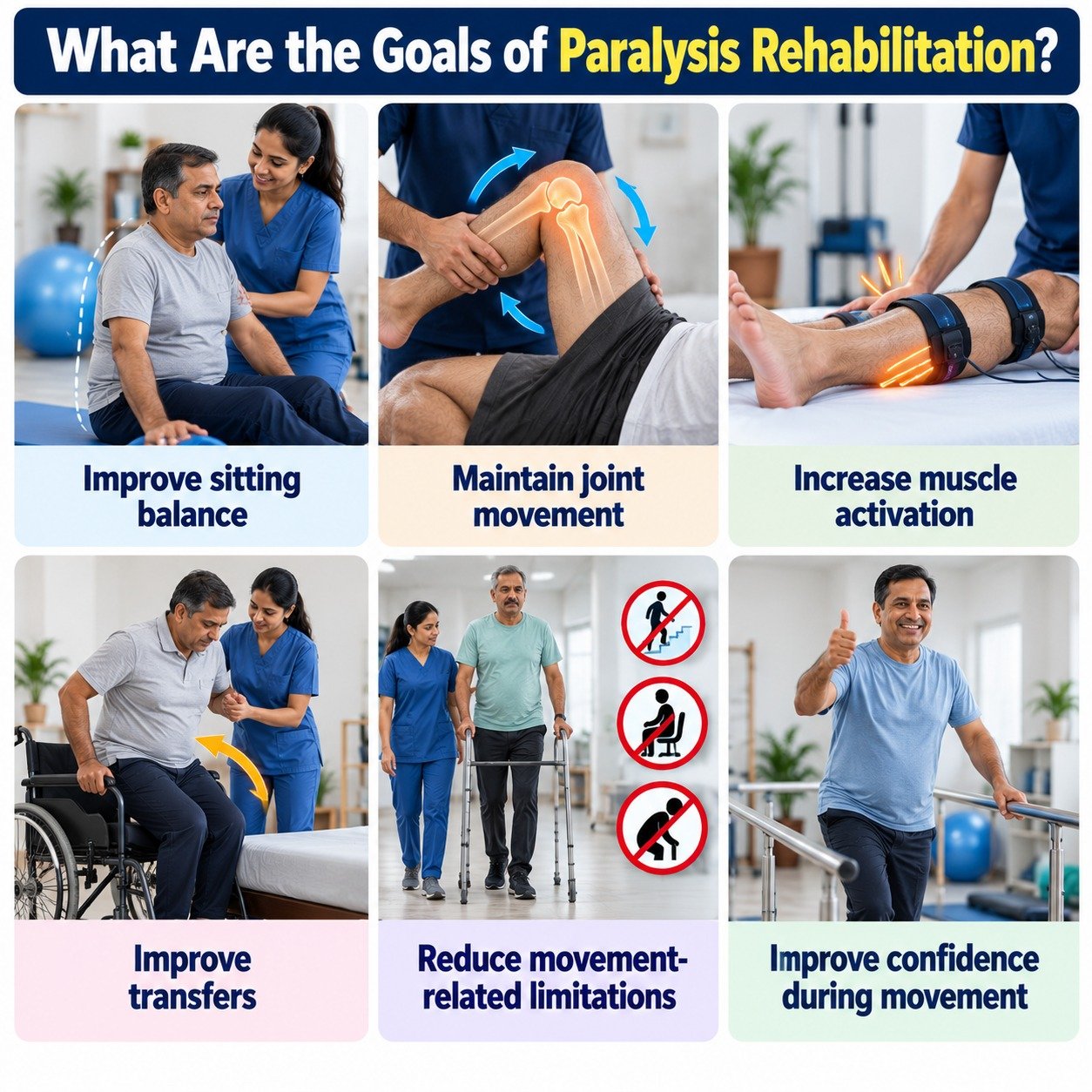
The goals can vary from patient to patient.
Short-Term Goals | Long-Term Goals |
Improve sitting balance | Improve independent mobility |
Maintain joint movement | Improve walking ability |
Increase muscle activation | Improve daily independence |
Improve transfers | Improve functional hand use |
Reduce movement-related limitations | Support long-term participation in daily activities |
Improve confidence during movement | Improve overall quality of life |
Goals should be realistic and regularly reviewed as the patient’s abilities change.
Why Is Family Support Important?
Family members often play an important role in neurological rehabilitation. A patient may require assistance with exercises, positioning, transfers, meals, personal care, or mobility.
Caregivers should receive proper instructions from the rehabilitation team. Incorrect lifting or movement techniques can create additional problems.
Family members can also encourage patients to follow their rehabilitation schedule and attend regular sessions.
When Should You Consult a Paralysis Specialist?
A specialist evaluation can be useful when a person develops new weakness, difficulty walking, loss of balance, or movement problems.
Patients looking for a paralysis specialist in khopoli mumbai & thane should seek professional assessment to understand the cause and the appropriate rehabilitation approach.
Sudden weakness or paralysis, especially when accompanied by facial drooping, speech difficulty, severe headache, confusion, or loss of balance, can be a medical emergency and requires immediate medical attention.
What Makes a Good Rehabilitation Program?
An effective rehabilitation program should be personalised rather than based on the same exercises for every patient.
A best paralysis rehabilitation center in khopoli, mumbai & thane should focus on assessment, individual goals, supervised therapy, functional training, and progress monitoring.
The patient’s condition may change over time, so the rehabilitation plan may also need to be modified.
Paralysis Rehabilitation and Local Accessibility
For families in nearby areas, access to regular rehabilitation can make it easier to maintain continuity of care.
Patients from Kalote Rayte, Kalote Mokashi, Vinegaon, Chauk, Sangdewadi, Khalapur, Honad, Lowjee, Varai, Khopoli, and Mohili may consider rehabilitation services based on their travel convenience and treatment requirements.
Regular therapy is often more useful when patients can follow their rehabilitation schedule consistently.
When Is Hospital-Based Rehabilitation Helpful?
Some patients may need closer medical supervision because of severe weakness, multiple health problems, swallowing difficulties, mobility limitations, or complications following a neurological event.
A paralysis hospital in khopoli mumbai & thane may provide a setting where medical and rehabilitation needs can be assessed together when required.
The appropriate setting depends on the patient’s condition, level of independence, and medical requirements.
How Can Patients Improve Their Recovery?
Patients and families can support rehabilitation by following the treatment plan consistently.
Helpful habits may include:
- Attend therapy sessions regularly.
- Follow prescribed home exercises.
- Use mobility aids correctly.
- Maintain safe movement practices.
- Follow medication instructions from the treating doctor.
- Eat a balanced diet as advised by the healthcare team.
- Keep the home environment safe to reduce fall risks.
- Communicate any new symptoms to the medical team.
Recovery is often gradual, so patience and consistency are important.
What Should You Look for in a Rehabilitation Center?
When selecting a rehabilitation service, consider whether the center provides personalised assessment and structured therapy.
Patients searching for best paralysis clinic in khopoli mumbai & thane should consider the rehabilitation team’s experience, therapy approach, patient safety, accessibility, and ability to track progress.
The goal should be meaningful improvement in daily function rather than simply completing exercises.
What About Paralysis Treatment?
paralysis treatment in khopoli mumbai & thane depends on the underlying cause. Rehabilitation is one important part of recovery, but some patients may also require neurological care, medication, surgery, speech therapy, occupational therapy, or other medical services.
Because paralysis can have different causes, patients should receive an appropriate diagnosis before beginning a treatment program.
Rehabilitation Near the Patient’s Location
People often search online for a paralysis clinic near me when they need regular therapy. Choosing a conveniently located center can make it easier for patients and caregivers to attend sessions consistently.
For people travelling from nearby communities, the distance, availability of therapy, accessibility, and patient’s mobility should all be considered.
What Does Rehabilitation for Paralysis Focus On?
rehabilitation paralysis in khopoli mumbai & thane focuses on helping patients improve functional abilities according to their individual condition.
Therapy may target walking, balance, arm and hand function, coordination, transfers, posture, and daily activities.
The aim is to help the patient achieve the highest practical level of independence possible.
Why Choose Personalised Neurological Rehabilitation?
Every patient has a different medical history, severity of weakness, recovery pattern, and lifestyle. A treatment plan that works for one person may not be suitable for another.
Professional assessment allows the rehabilitation team to identify current limitations and create goals that match the patient’s needs.
Conclusion
Paralysis can affect movement and independence, but appropriate rehabilitation can help patients work toward meaningful functional improvement. The rehabilitation process may include strength training, balance exercises, walking practice, hand therapy, transfer training, and daily activity practice.
Urja NeuroCare focuses on structured rehabilitation based on the individual needs of each patient. People from Khopoli and nearby areas such as Kalote Rayte, Kalote Mokashi, Vinegaon, Chauk, Sangdewadi, Khalapur, Honad, Lowjee, Varai, and Mohili can consider accessibility when planning regular rehabilitation.
For patients and families seeking specialised neurological support, professional assessment is the first step. A personalised rehabilitation plan can then be developed according to the patient’s condition, abilities, recovery goals, and safety requirements.
OUR GALLERY
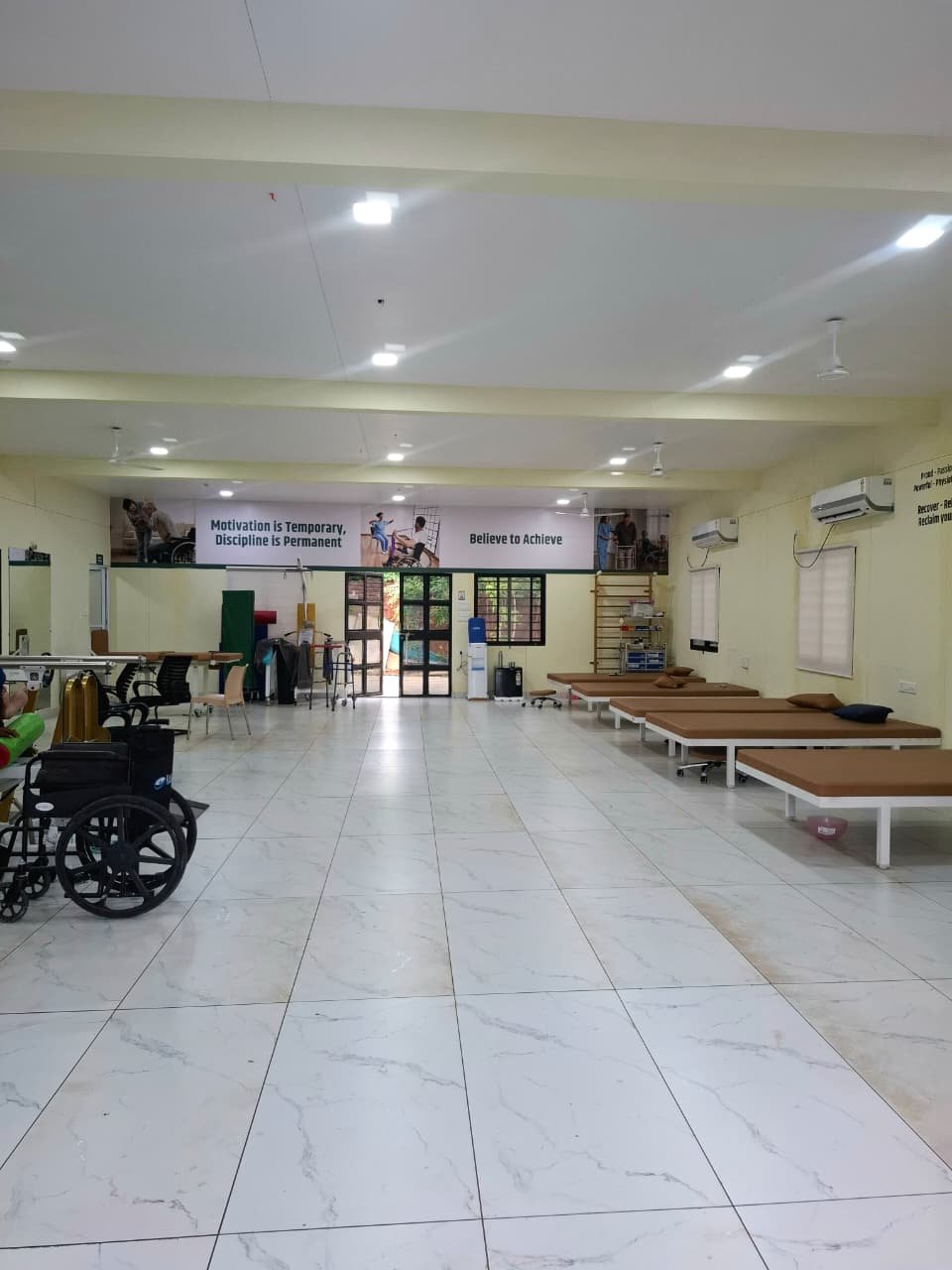
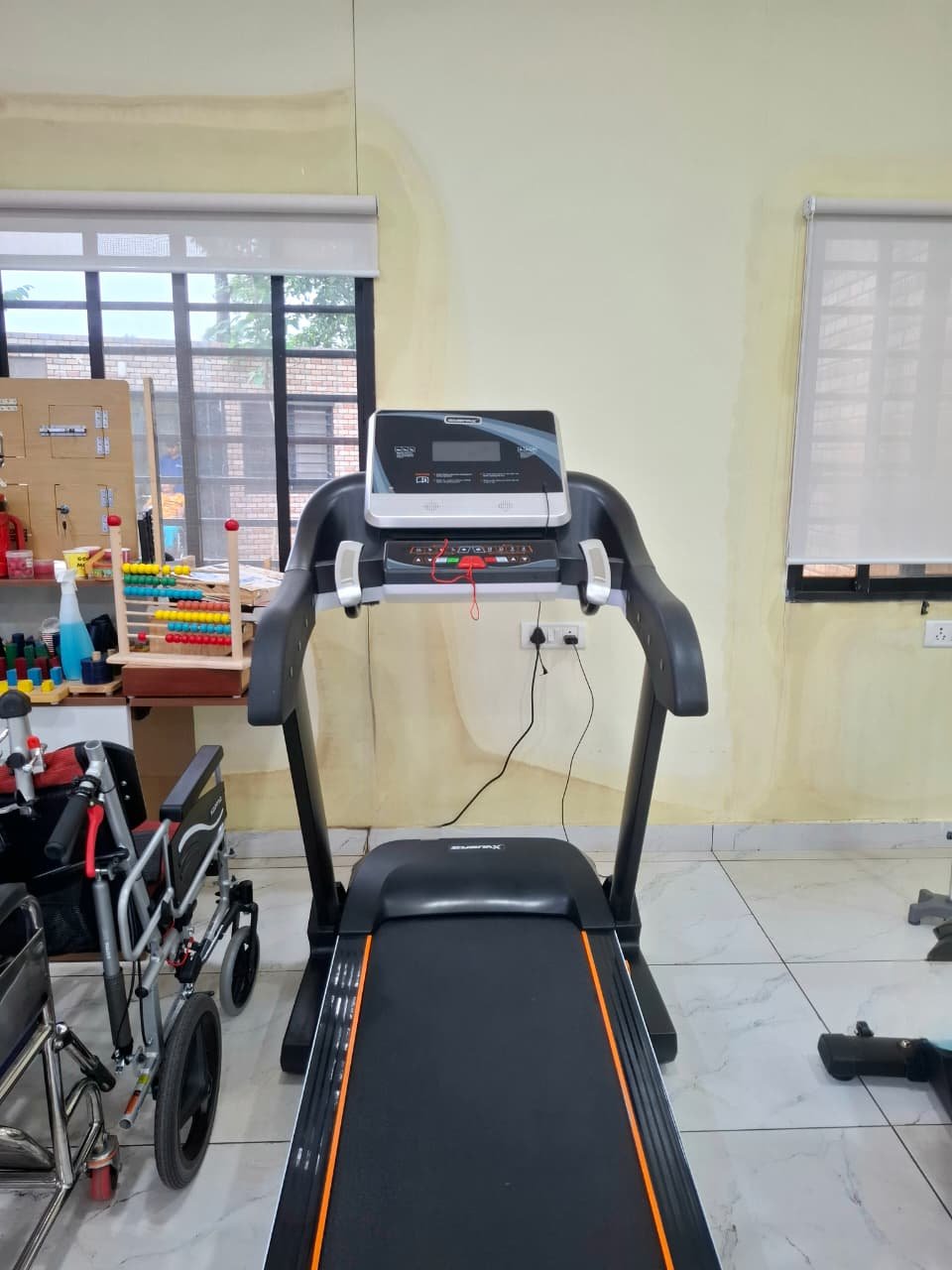
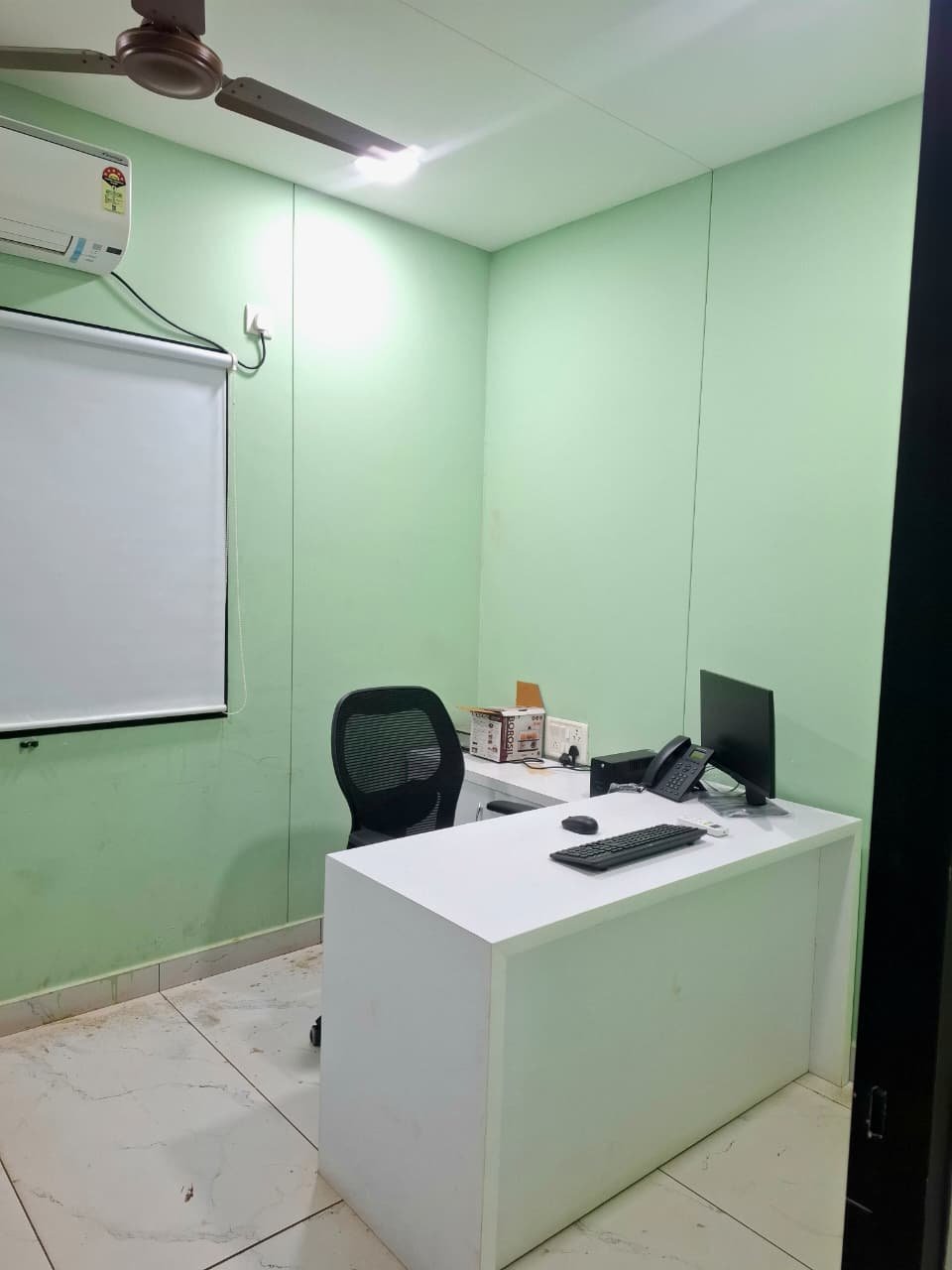
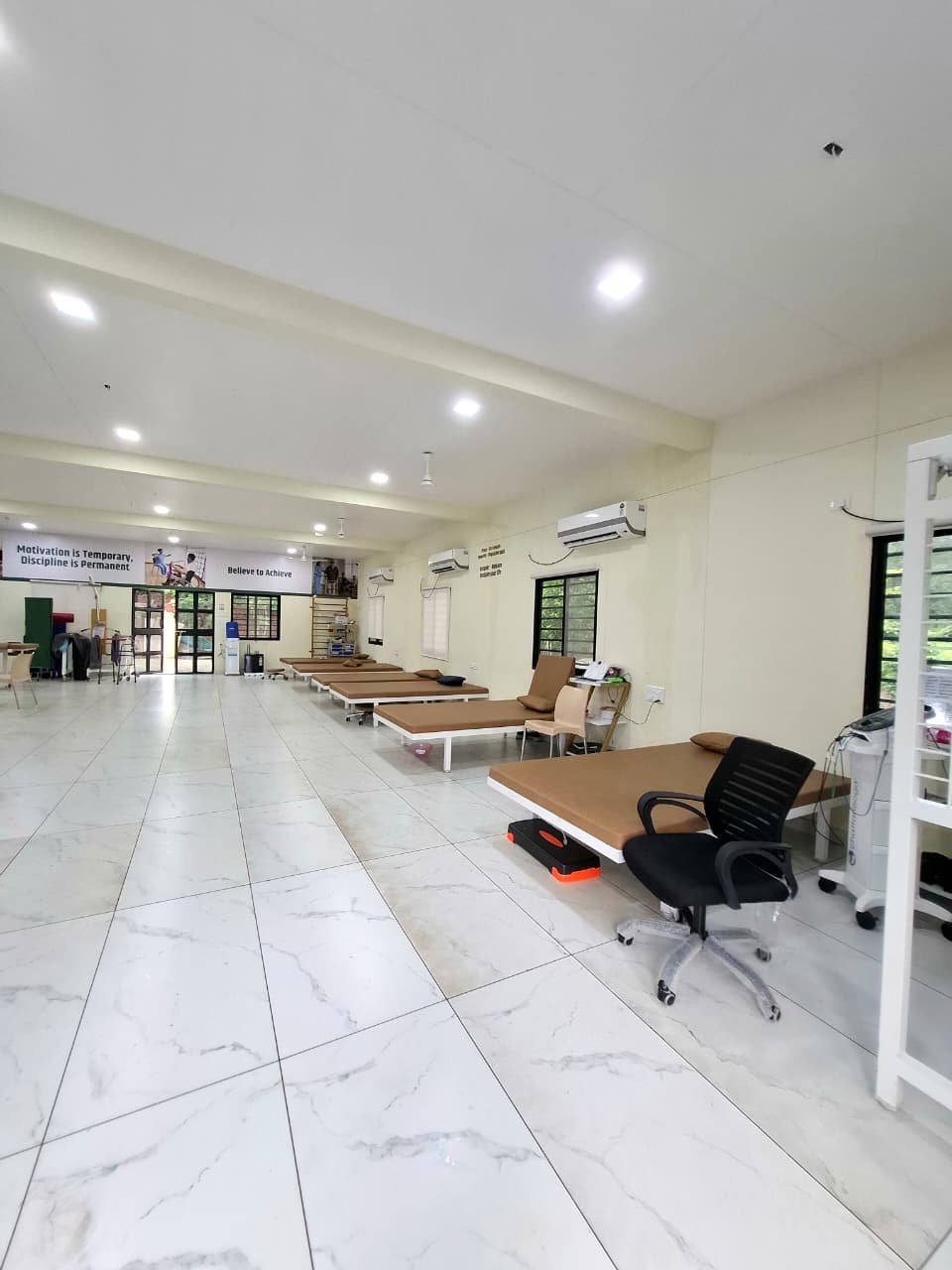
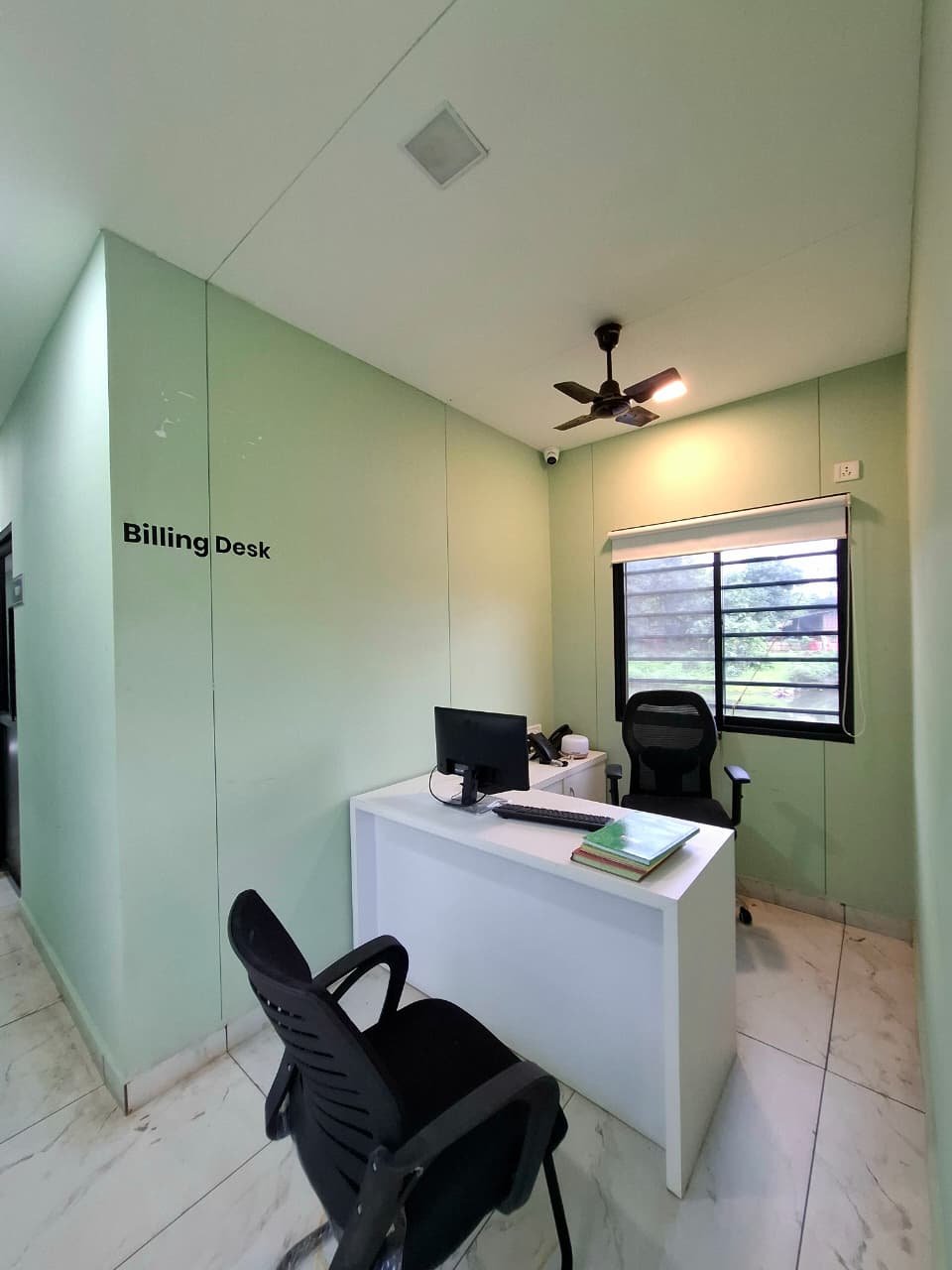
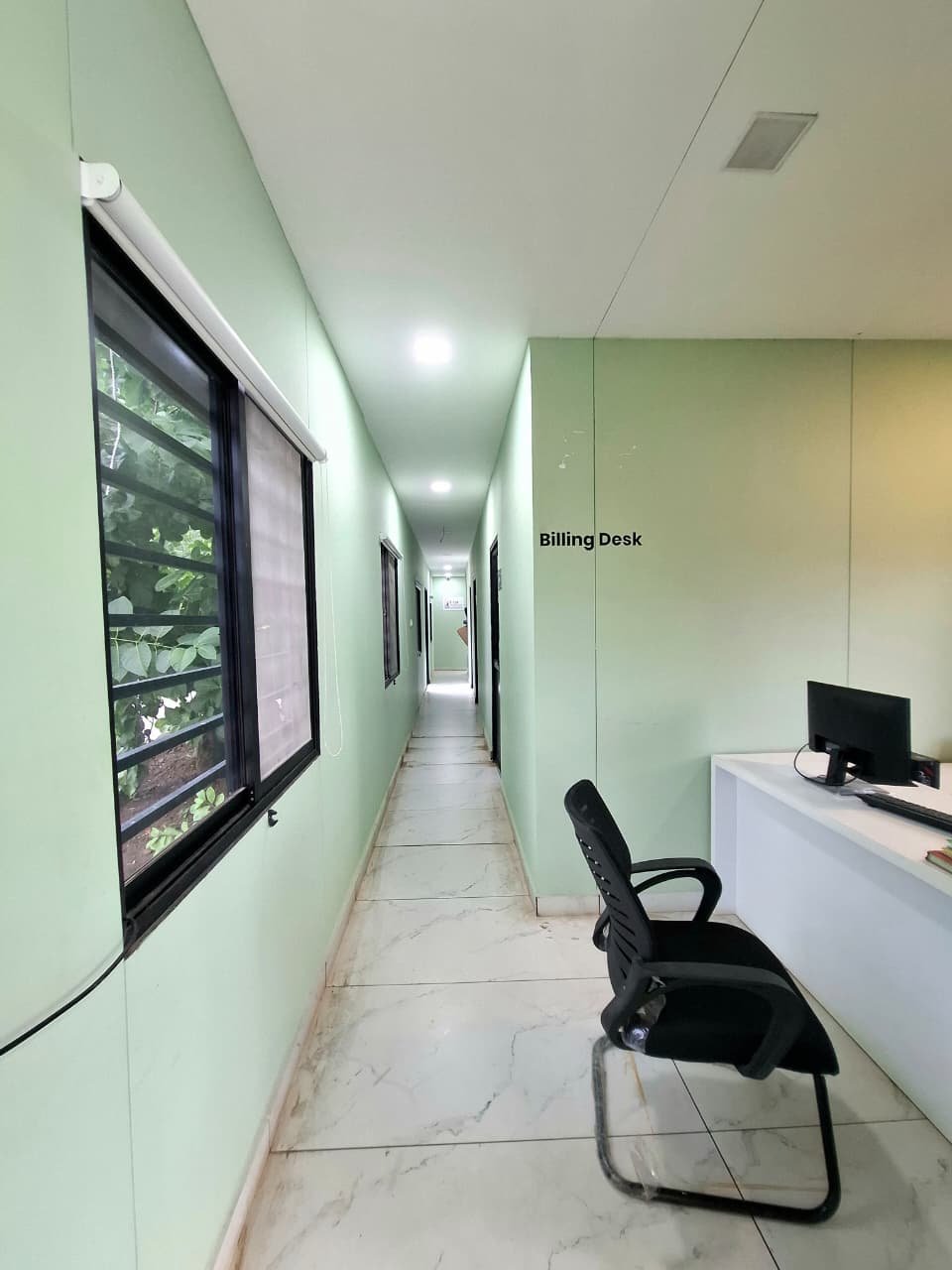
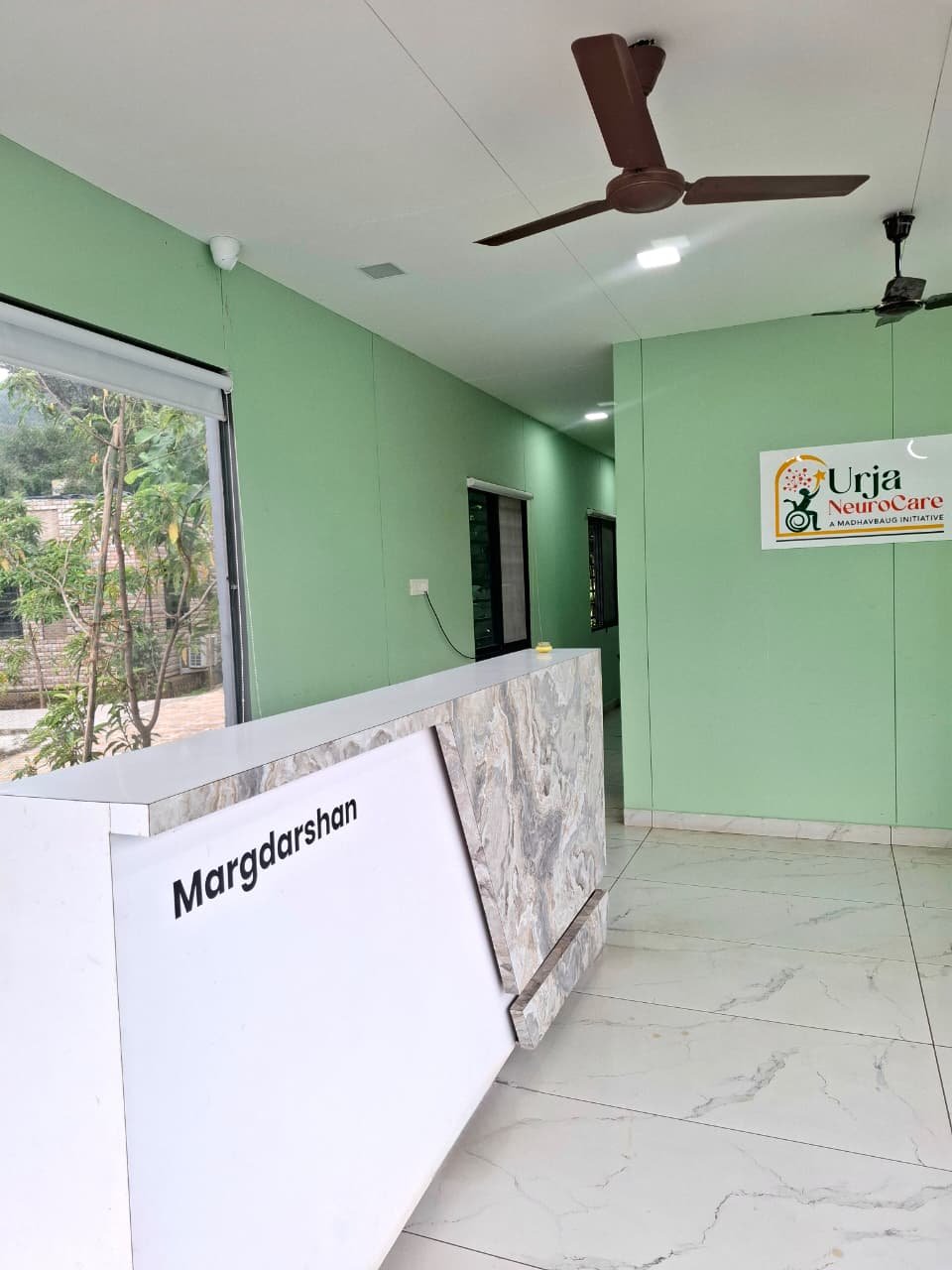
A glimpse into our healing journey — caring spaces, personalized therapy, and moments of progress.
Patient Testimonials
 Posted on Google
 Poonam Raut
Trustindex verifies that the original source of the review is Google.
Khup cooperative team work ahe patient la khup improvement jhali ahe upchar gheun urja center madhe .. Balanace kahich jamat navhta before treatment pan Ata treatment complete jhali ahe ani tyana balance jamtoy Khup chan experience ahe thanks all team urja neuro carePosted on Google Ravi Lokhandeमी माझ्या उपचारासाठी खोपोली येथील माधवबागला भेट दिली. सर्व कर्मचाऱ्यांनी उत्कृष्ट सेवा आणि काळजी दिली. खूप छान प्रकारे समजून सांगतातPosted on Google
 Prakash Patil⭐⭐⭐⭐⭐ My wife had weakness on the right side of her body and was facing a lot of difficulties in her daily life. We visited Urja Neuro Care Centre, and after receiving treatment, therapy, and continuous support from the doctors and staff, her condition improved significantly. Today, she is doing much better, and the problems she was facing have greatly reduced. We are truly grateful to the entire team at Urja Neuro Care Centre for their professional care, dedication, and encouragement throughout the journey. I highly recommend Urja Neuro Care Centre to anyone looking for quality neurological rehabilitation and compassionate care.Posted on Google
 kiran bhideIt’s a good residential rehab for traumatic brain injury patient. My friend got a good results and started walking in 45 days of taking admission at Urja NeuroCare. Must for recent Neuro patients looking for recovery.Posted on Google
 Satish SonavaneVery good treatment for patient
Frequently Asked Questions
What is paralysis rehabilitation?
Paralysis rehabilitation is a structured therapy program designed to help people improve movement, strength, balance, coordination, mobility, and independence after paralysis or a neurological condition.
Can paralysis patients recover completely?
Recovery depends on the cause, severity, affected body parts, overall health, and rehabilitation progress. Some patients may regain significant function, while others may have long-term limitations.
Is physiotherapy useful after a stroke?
Yes. Physiotherapy can be an important part of stroke rehabilitation. It may focus on movement, balance, strength, walking, transfers, and functional activities.
How long does paralysis rehabilitation take?
There is no fixed recovery period. Some people improve over weeks or months, while others need longer-term rehabilitation and support.
Can family members help with rehabilitation?
Yes. Families can support patients by helping them follow therapy instructions, maintaining safety at home, encouraging regular attendance, and assisting with daily activities when advised by the rehabilitation team.
When is paralysis an emergency?
Sudden paralysis or weakness, especially on one side of the body, may be a sign of stroke. If it develops suddenly with facial drooping, speech difficulty, confusion, or severe headache, seek emergency medical care immediately.