Best Physiotherapy Center in Khopoli Mumbai & Thane-Urjaneurocare Center
Finding the right rehabilitation support is important when a person is dealing with muscle weakness, difficulty walking, poor balance, paralysis, stroke recovery, or other movement-related challenges. Best Physiotherapy Center in Khopoli Mumbai & Thane services at Urja NeuroCare focus on structured rehabilitation, supervised therapy, functional movement, and improving independence in daily activities. The rehabilitation approach is planned according to the patient’s condition, physical abilities, medical history, and recovery goals.
Physiotherapy is not limited to treating pain. It can also help people improve strength, flexibility, coordination, balance, mobility, and functional abilities after an illness, injury, surgery, neurological condition, or prolonged period of inactivity.
About US
Urja NeuroCare
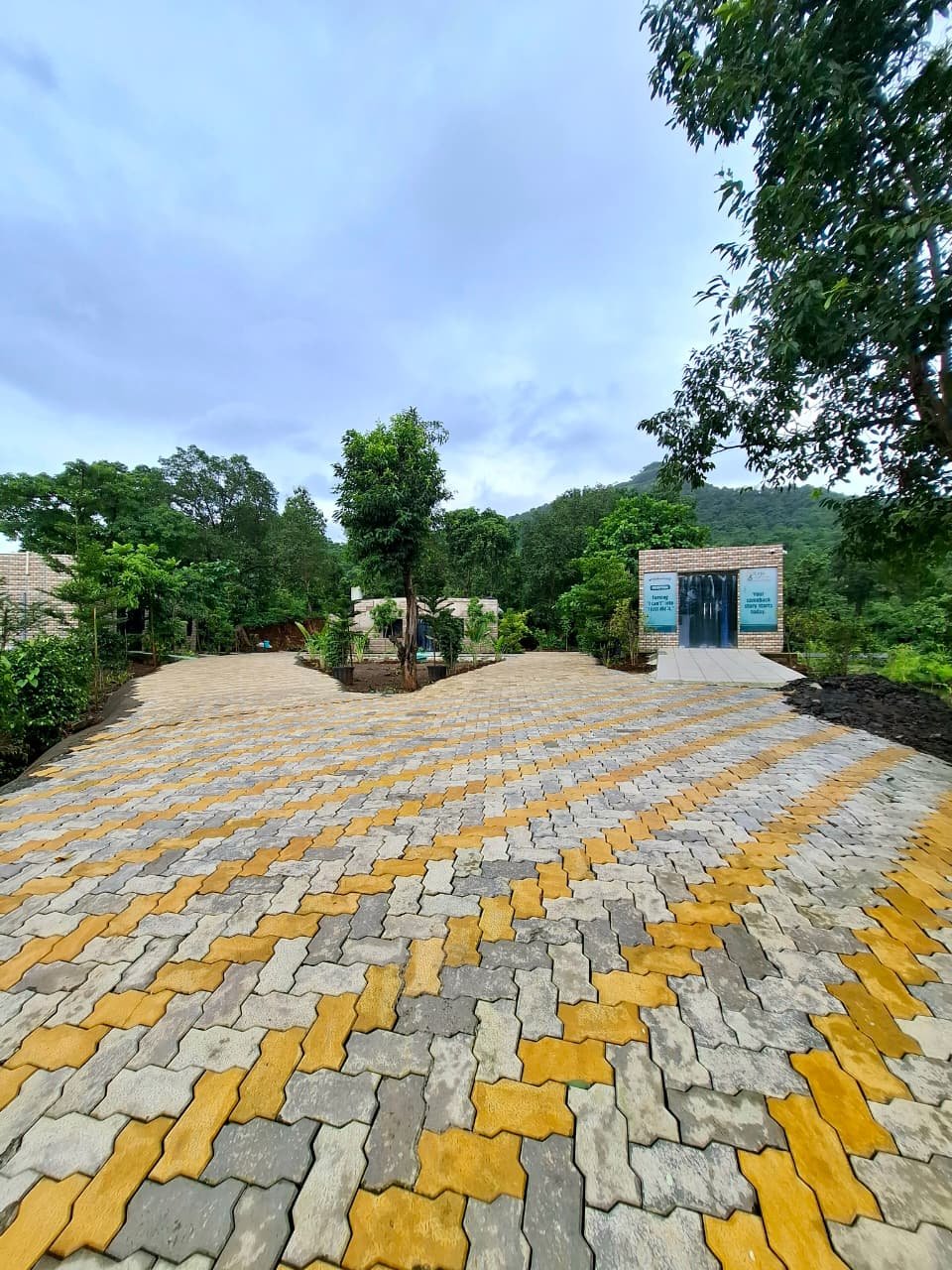
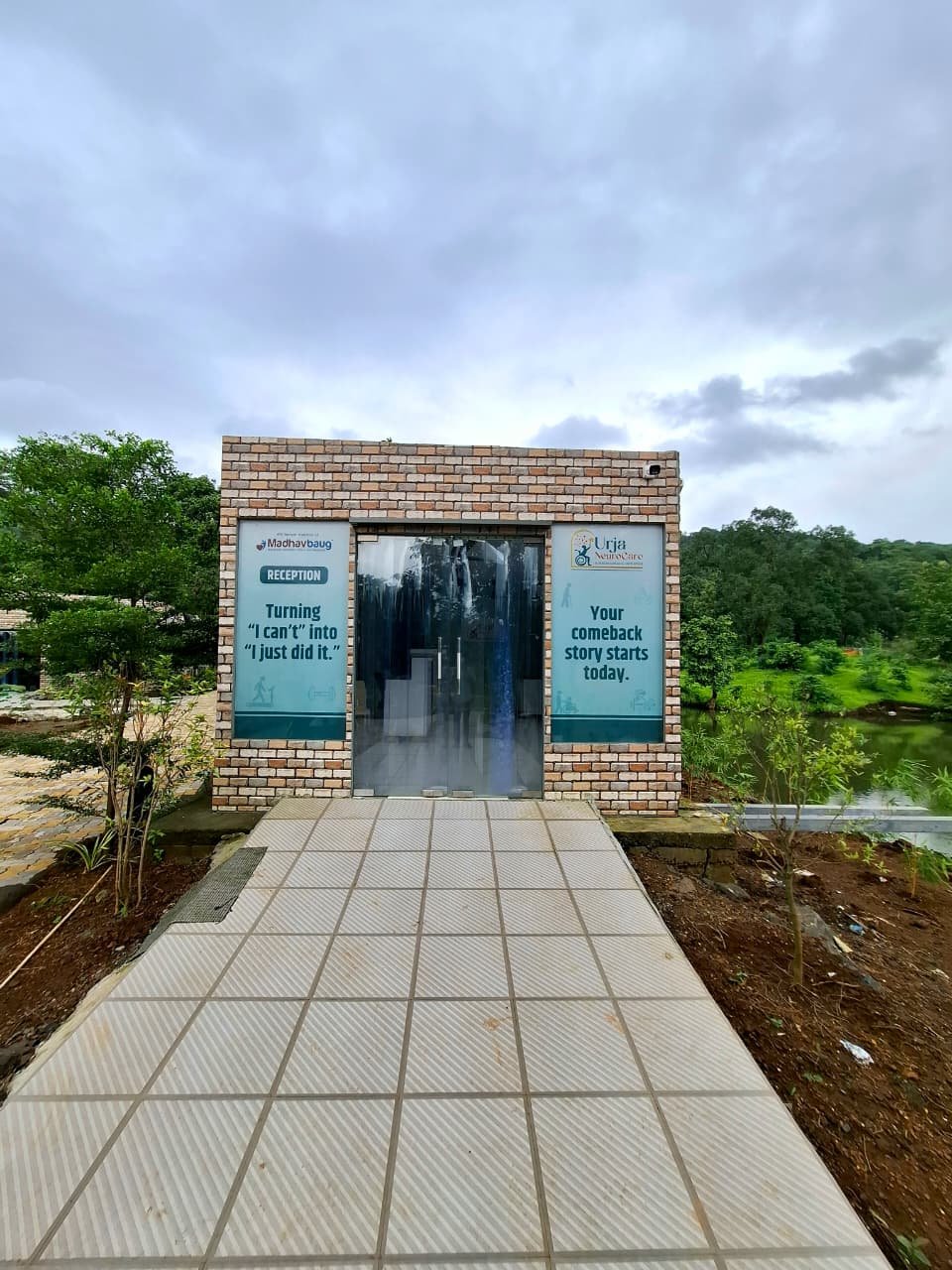
Our Journey began from the outskirts of Navi Mumbai. Nestled within the serene Madhavbaug Hospital Campus in Khopoli, Urja NeuroCare combines advanced therapy infrastructure with peaceful greenery to support both physical and emotional healing.
Recognizing the lack of long-term rehab options for paralytic individiuals, Dr. Rohit Madhav Sane (MD & CEO, Madhavbaug) envisioned Urja NeuroCare. His collaboration with Dr. Ravi Rajesh Srivastava (PT)—specialist in residential physiotherapy rehab—brought this vision to life.
Together, they lead Urja NeuroCare with a shared belief: continuous improvement, holistic healing, and restoring human dignity through care.
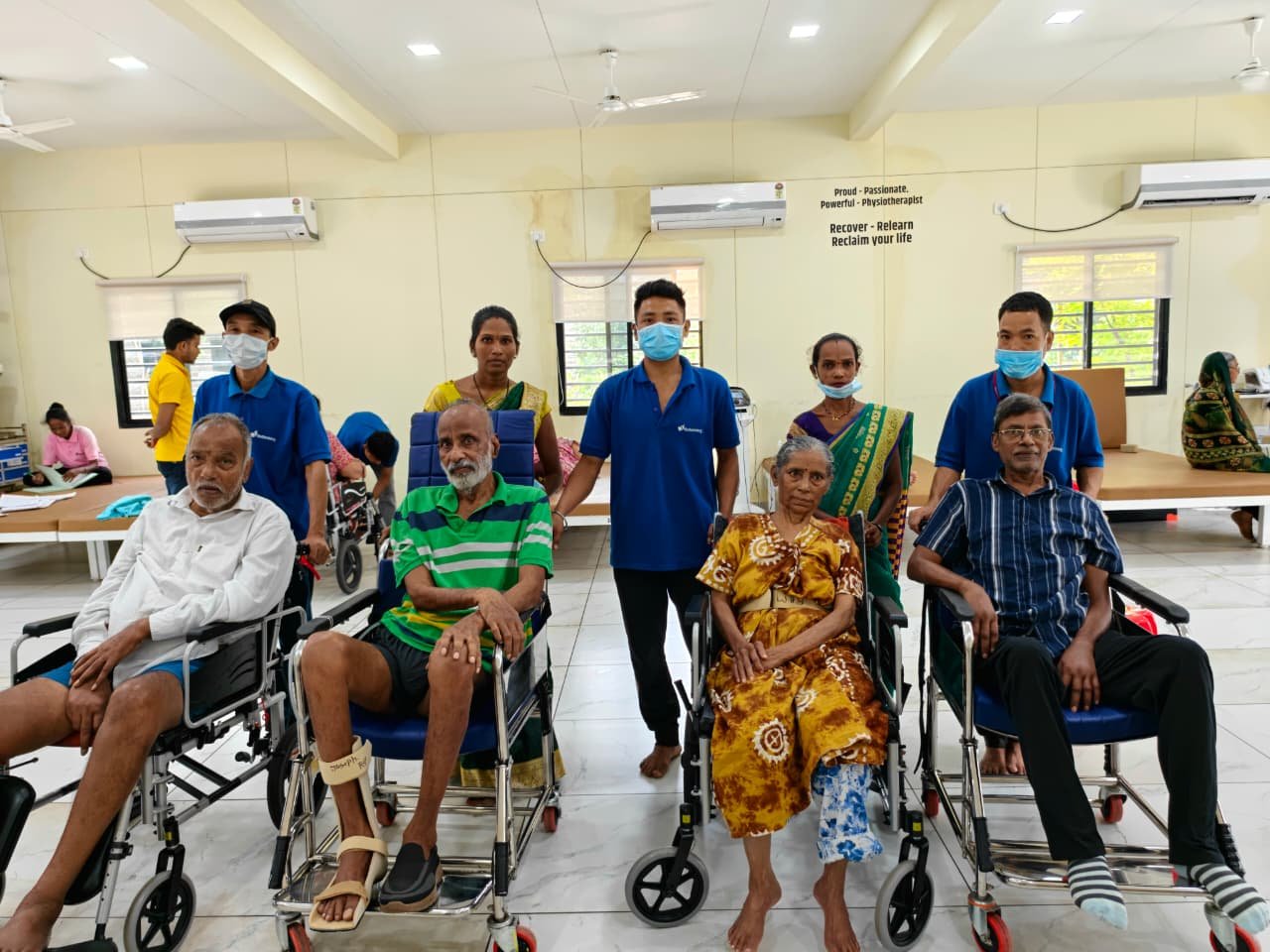
Who We Care For
1. Neurological Recovery Warriors:
For individuals recovering from Stroke, Spinal Cord Injury, GBS, CIDP, Parkinsonism or mobility loss.
2. Short-Term Rehabilitation Guests
For outstation or international patients seeking short-duration intensive recovery after hospitalization.
3. Respite & Family Support
Temporary residential care for bed ridden individuals so that their families can get a break and they can leave their loved ones for few days in expert care.
4. Supportive Elderly Care
Round-the-clock assistance, strengthening exercises and emotional companionship for aging parents.
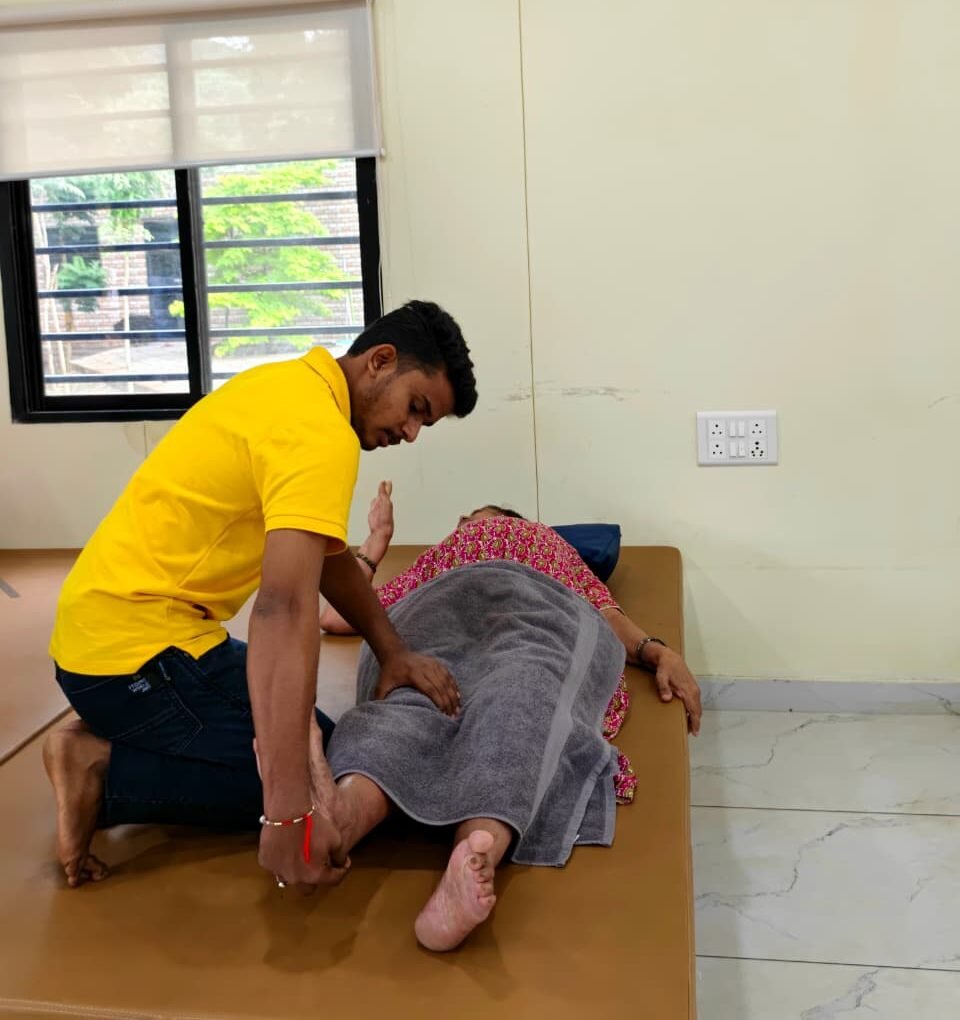
Our Services
Explore Urja NeuroCare’s comprehensive services: physiotherapy, occupational and speech therapy, 24×7 caregivers, nursing rounds, diet, recreation and emotional support for recovery
Core Rehabilitation Services:
- Neuro & Ortho Physiotherapy
- Occupational Therapy
- Speech & Swallow Therapy
- Panchkarma Therapy
- 6 bed sharing and twin sharing Residential Facility
- Music, Group & Recreational Therapy
Supportive Amenities:
- Dietitian-planned whole day meal
- Ryle’s tube feeding available
- Therapy garden & walking track
- 24×7 caregivers and nursing rounds
- Regular physician rounds
- Laundry, housekeeping
- Pharmacy delivery (on call)
- Pathology support
- Emergency-ready hospital with ICU backup
Our Recovery Journey
Each resident’s day is carefully structured into purposeful therapy moments designed to nurture body, mind, and spirit.
Morning Rejuvenation Session
Starts the day with energizing mobility exercises and positive affirmations—setting the tone for progress.
Mid Day Strength & Stability Session
Targets muscle power, endurance, and trunk control—restoring strength and confidence step by step.
Evening Balance & Coordination Session
Refines posture, coordination, and control for smoother, more independent movement.
Advanced Challenge Session
Optional high-intensity therapy for those motivated to accelerate their recovery goals.
Enhanced Panchkarma Session
Panchkarma session for mind and body to the sub-acute cases for the holistic rehabilitation
Cognitive Play Session
Fun, game-based therapy to enhance mental agility, focus, and hand-eye coordination.
Harmony Group Session
Voice & Communication Session
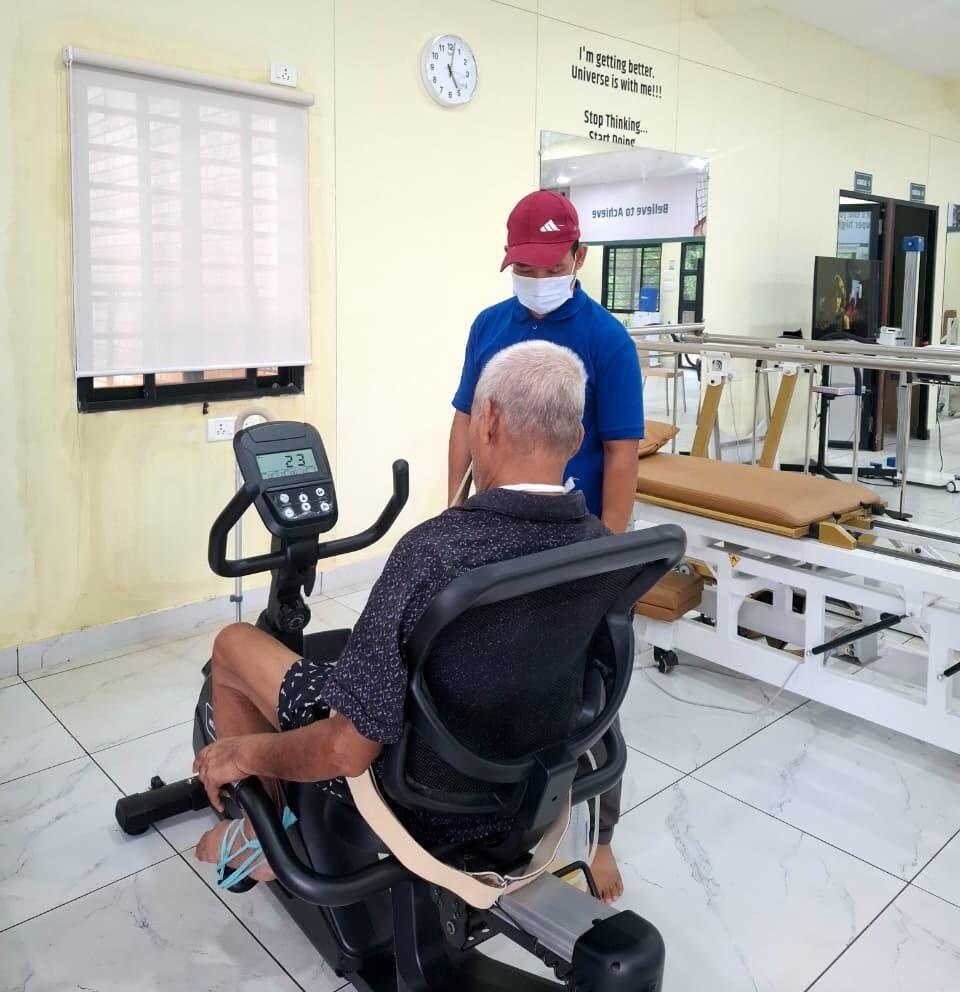
Residential Rehabilitation Packages
Simple, transparent packages that include therapy, stay, meals and 24×7 nursing care.
Twin Sharing Room
- AC accommodation
- 3 therapy sessions/day (2 on Sundays & holidays)
- 24×7 nursing & caregiving support
- Dietitian-prescribed meals
- Group, play & recreational therapy
- Regular GP rounds
6-Bed Sharing Room
- AC accommodation
- 3 therapy sessions/day (2 on Sundays & holidays)
- 24×7 nursing & caregiving support
- Dietitian-prescribed meals
- Group, play & recreational therapy
- Regular GP rounds
Exclusions:
- Additional sessions beyond 3/day
- Consumables & medical supplies
- Catheter, Ryle’s tube and special procedures
- Specialist consultations & investigations
- Relatives’ rooms and Ambulance/Cab transport
What Is Physiotherapy and Why Is It Important?
Physiotherapy is a healthcare discipline that focuses on improving physical movement and function. A physiotherapist assesses a patient’s physical limitations and creates an appropriate treatment programme based on their individual needs.
For some patients, the main goal may be to reduce stiffness or improve joint movement. For others, therapy may focus on walking, balance, muscle activation, transfers, or regaining independence after a neurological condition.
Regular rehabilitation can be particularly important for people who have experienced stroke, paralysis, spinal cord problems, neurological disorders, or significant physical weakness.
The treatment approach may include:
- Therapeutic exercises
- Strengthening activities
- Balance training
- Mobility exercises
- Walking practice
- Functional movement training
- Range-of-motion exercises
- Coordination exercises
- Endurance training
- Patient and caregiver education
The exact exercises depend on the patient’s medical condition and should be performed under appropriate professional guidance.
About Urjaneurocare Centre
Our journey began on the outskirts of Navi Mumbai with a vision to create a supportive environment for individuals who need long-term neurological and physical rehabilitation. Nestled within the peaceful Madhavbaug Hospital Campus in Khopoli, Urja NeuroCare combines modern therapy infrastructure with a calm, green environment that supports physical recovery and emotional well-being.
Recognising the limited availability of long-term rehabilitation options for individuals living with paralysis, Dr. Rohit Madhav Sane (MD & CEO, Madhavbaug) envisioned a dedicated rehabilitation facility where patients could receive continuous care and structured therapy. His collaboration with Dr. Ravi Rajesh Srivastava (PT), a specialist in residential physiotherapy rehabilitation, helped transform this vision into a specialised rehabilitation centre.
Today Paralysis Rehabilitation Center focuses on providing structured rehabilitation for patients who require regular physiotherapy, mobility training, functional exercises, and ongoing support. The centre’s approach brings together professional therapy, caregiver assistance, and a patient-focused environment to support recovery.
Together, the team at Urja NeuroCare follows a simple belief: rehabilitation is not only about improving physical movement but also about restoring confidence, independence, and human dignity. Through continuous improvement, holistic care, and personalised rehabilitation goals, the centre aims to support every patient throughout their recovery journey.
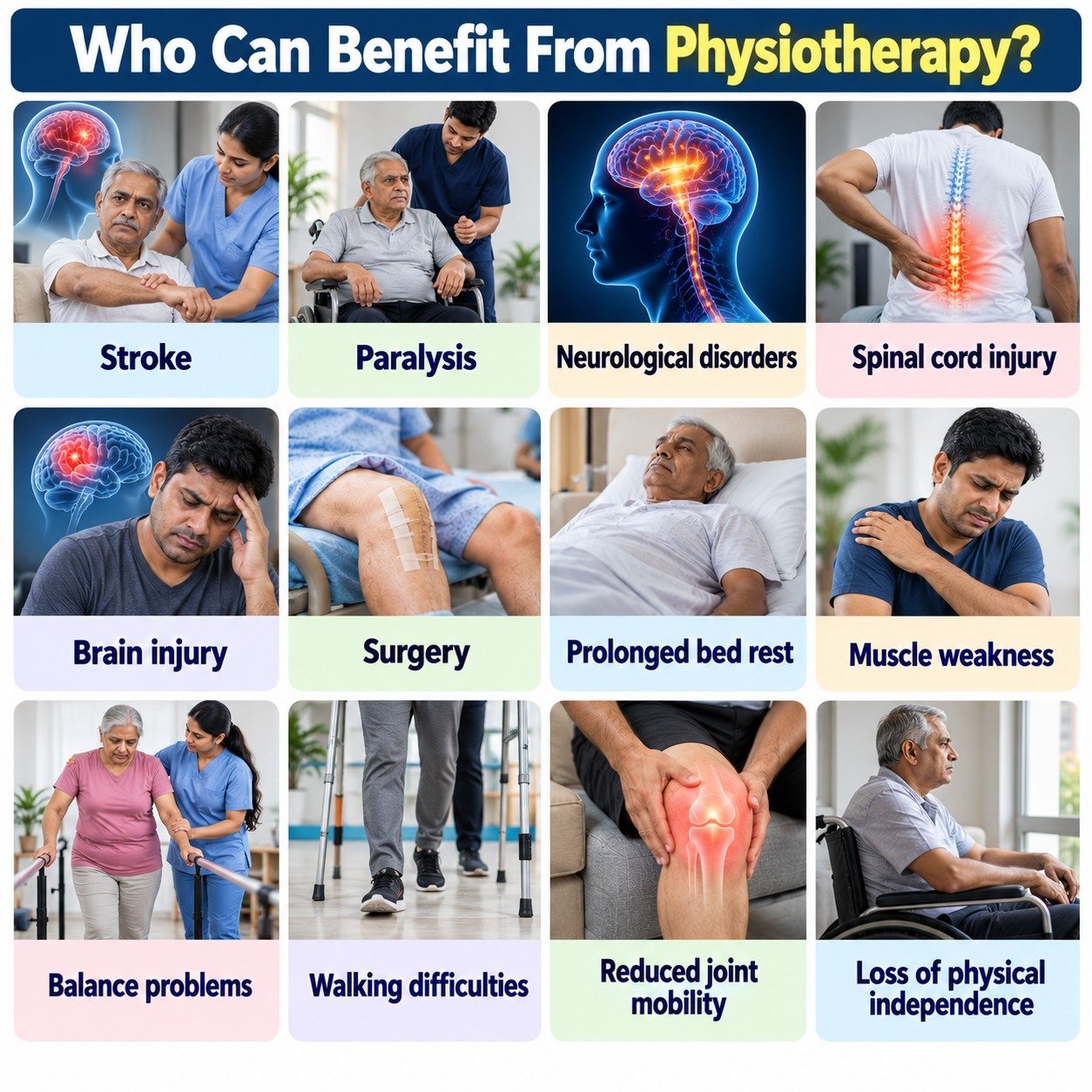
Who Can Benefit From Physiotherapy?
Physiotherapy can benefit people with different physical and neurological conditions. A professional assessment helps determine which type of therapy is appropriate.
Patients may require rehabilitation following:
- Stroke
- Paralysis
- Neurological disorders
- Spinal cord injury
- Brain injury
- Surgery
- Prolonged bed rest
- Muscle weakness
- Balance problems
- Walking difficulties
- Reduced joint mobility
- Loss of physical independence
Early and consistent rehabilitation can help patients work towards meaningful functional goals. However, recovery is different for every individual and depends on several factors, including the underlying condition, severity, age, general health, and consistency of rehabilitation.
Here is a natural SEO-optimized version with both keywords/links integrated smoothly without stuffing:
Neurological Physiotherapy for Better Functional Recovery
Neurological conditions can affect the way the brain, spinal cord, nerves, and muscles work together. As a result, patients may experience difficulty controlling movement, maintaining balance, walking, or using one side of the body.
Neurological physiotherapy focuses on improving these functional difficulties through structured exercises and repeated movement practice.
Treatment may focus on:
- Improving sitting balance
- Practising standing
- Improving walking ability
- Strengthening weak muscles
- Improving coordination
- Reducing stiffness
- Practising transfers
- Improving endurance
- Supporting functional independence
For neurological patients, therapy is often a gradual process. Small improvements, such as being able to sit independently for longer, stand with better control, or take additional steps, can become important milestones during recovery.
Physiotherapy for Stroke Recovery
Stroke can affect movement, strength, coordination, balance, and independence. Some patients may experience weakness on one side of the body, difficulty walking, changes in muscle tone, or problems performing everyday activities.
Stroke rehabilitation generally focuses on helping the patient regain as much function and independence as possible.
A rehabilitation programme may include:
- Bed mobility training
- Sitting and standing practice
- Balance exercises
- Walking practice
- Arm and leg strengthening
- Coordination activities
- Transfer training
- Functional task practice
- Endurance training
Recovery after a stroke can take time. The rehabilitation programme should therefore be adjusted according to the patient’s progress rather than following a fixed timeline.
Families looking for a Stroke Physiotherapy specialist in Khopoli Mumbai & Thane should consider whether the rehabilitation programme addresses the patient’s specific movement limitations and functional goals.
Rehabilitation for Paralysis
Paralysis can significantly affect a person’s ability to move, stand, walk, or perform everyday activities. Depending on the cause and severity, patients may require structured rehabilitation for an extended period.
Physiotherapy can support paralysis rehabilitation by focusing on movement, positioning, muscle activation, balance, transfers, and functional activities.
A typical rehabilitation plan may include:
- Assessment of current movement and strength
- Positioning and mobility support
- Range-of-motion exercises
- Muscle activation and strengthening
- Sitting and standing practice
- Transfer training
- Walking or assisted mobility
- Functional activities
- Progress monitoring
- Caregiver education
A patient with significant mobility limitations may benefit from a structured rehabilitation environment where therapy and support are available regularly. Urja NeuroCare provides a supportive setting for neurological and paralysis rehabilitation, making it a suitable option for patients who require consistent therapy and ongoing assistance. For families looking for a Physiotherapy Hospital in Khopoli Mumbai & Thane the centre focuses on personalised rehabilitation based on the patient’s condition, mobility level, and recovery goals.
What Is Rehabilitation Physiotherapy?
Rehabilitation Physiotherapy in Khopoli Mumbai & Thane involves therapy designed to help a person regain or improve physical function after an illness, injury, neurological condition, surgery, or period of inactivity.
Unlike a short-term exercise routine, rehabilitation is usually goal-oriented. The therapist evaluates what the patient can currently do and then works towards achievable functional improvements.
For example, a patient may begin with basic bed mobility and gradually progress towards sitting, standing, transferring, and walking.
Common Rehabilitation Goals
Patient Difficulty | Possible Rehabilitation Focus |
Muscle weakness | Strengthening and muscle activation |
Difficulty standing | Standing and weight-bearing practice |
Walking difficulty | Gait and mobility training |
Poor balance | Balance and coordination exercises |
Joint stiffness | Mobility and range-of-motion exercises |
Low endurance | Gradual activity and endurance training |
Difficulty transferring | Transfer and functional movement practice |
Reduced independence | Daily activity and functional training |
The treatment programme should always be individualised because two patients with the same diagnosis may have very different physical abilities.
How Urja NeuroCare Supports Rehabilitation
Urja NeuroCare provides a structured rehabilitation environment for patients who require neurological and physical rehabilitation. The centre’s approach focuses on regular therapy, functional improvement, patient support, and caregiver involvement.
A structured environment can be particularly useful for patients who need frequent assistance with movement or daily activities.
Rehabilitation may involve working towards goals such as:
- Sitting independently
- Standing safely
- Improving walking
- Increasing muscle strength
- Improving balance
- Performing transfers
- Increasing physical endurance
- Becoming more independent in daily activities
The purpose of therapy is not simply to complete exercises. The broader goal is to help patients use improved movement and physical abilities in their everyday lives.
Physiotherapy Services for Different Rehabilitation Needs
Patients may require different forms of therapy depending on their condition.
For example, someone recovering from an orthopaedic injury may need strengthening and mobility exercises, while a neurological patient may require balance, coordination, gait, and functional training.
When selecting Best Physiotherapy Services in Khopoli Mumbai & Thane patients should look for a centre that understands their specific rehabilitation requirements rather than choosing a programme based only on general exercise availability.
Important Areas of Rehabilitation
Mobility training:
Helps patients practise safe movement, transfers, standing, and walking.
Strength training:
Supports weakened muscles and helps improve physical capacity.
Balance training:
Helps patients develop better postural control and confidence during movement.
Functional training:
Connects exercise with everyday activities such as getting out of bed, standing, walking, and transferring.
Endurance training:
Helps patients gradually tolerate longer periods of physical activity.
Caregiver education:
Teaches family members how to provide appropriate assistance without unnecessarily limiting the patient’s independence.
Choosing the Right Physiotherapy Centre
Selecting a rehabilitation centre is an important decision, especially for patients recovering from stroke, paralysis, or other neurological conditions.
Before choosing a centre, families should consider:
- What conditions does the centre treat?
- Is the treatment based on individual assessment?
- Are rehabilitation goals clearly defined?
- Does the centre provide regular supervised therapy?
- Is caregiver support available?
- Does the environment support long-term rehabilitation?
- Can the programme be modified as the patient improves?
- Is there appropriate medical and nursing support when required?
Families searching for a Best Physiotherapist in Khopoli Mumbai & Thane should focus on the patient’s specific needs instead of choosing a provider only because of online rankings or general claims.
Residential Rehabilitation: When Is It Useful?
Some patients may require more support than a conventional outpatient appointment can provide.
Residential rehabilitation may be considered when a patient:
- Requires frequent therapy
- Needs assistance with mobility
- Has significant physical weakness
- Requires caregiver support
- Needs help with daily activities
- Is recovering from a major neurological event
- Requires structured rehabilitation throughout the day
A residential environment can allow patients to follow a consistent rehabilitation routine while receiving appropriate support.
Urja NeuroCare offers a rehabilitation-focused environment in Khopoli for patients who require structured neurological and physical recovery support.
Rehabilitation Near Khopoli and Surrounding Areas
Patients and families from Khopoli and nearby communities may consider a local rehabilitation centre when regular therapy is required.
Urja NeuroCare can serve families looking for rehabilitation support around areas such as Kalote Rayte, Kalote Mokashi, Vinegaon, Chauk, Sangdewadi, Khalapur, Honad, Lowjee, Varai, Khopoli, and Mohili.
For someone searching for a physiotherapy clinic near me proximity can be useful because regular attendance may be an important part of rehabilitation. However, families should also consider the type of treatment, level of supervision, patient’s condition, and rehabilitation goals.
Physiotherapy Treatment Plan: What Can Patients Expect?
A rehabilitation programme generally begins with an assessment. The therapist evaluates the patient’s physical abilities and limitations before planning suitable exercises.
The process may include:
Step 1: Initial Assessment
The therapist evaluates movement, strength, balance, coordination, mobility, and functional abilities.
Step 2: Goal Setting
Short-term and long-term rehabilitation goals are established based on what the patient needs to achieve.
Step 3: Individualised Therapy
Exercises and functional activities are selected according to the patient’s current ability.
Step 4: Functional Practice
The patient practises movements that are relevant to everyday life, such as standing, transferring, and walking.
Step 5: Progress Monitoring
The rehabilitation team observes changes and adjusts the programme as required.
Step 6: Caregiver Guidance
Family members may receive guidance on safe assistance, positioning, mobility, and supporting the rehabilitation plan.
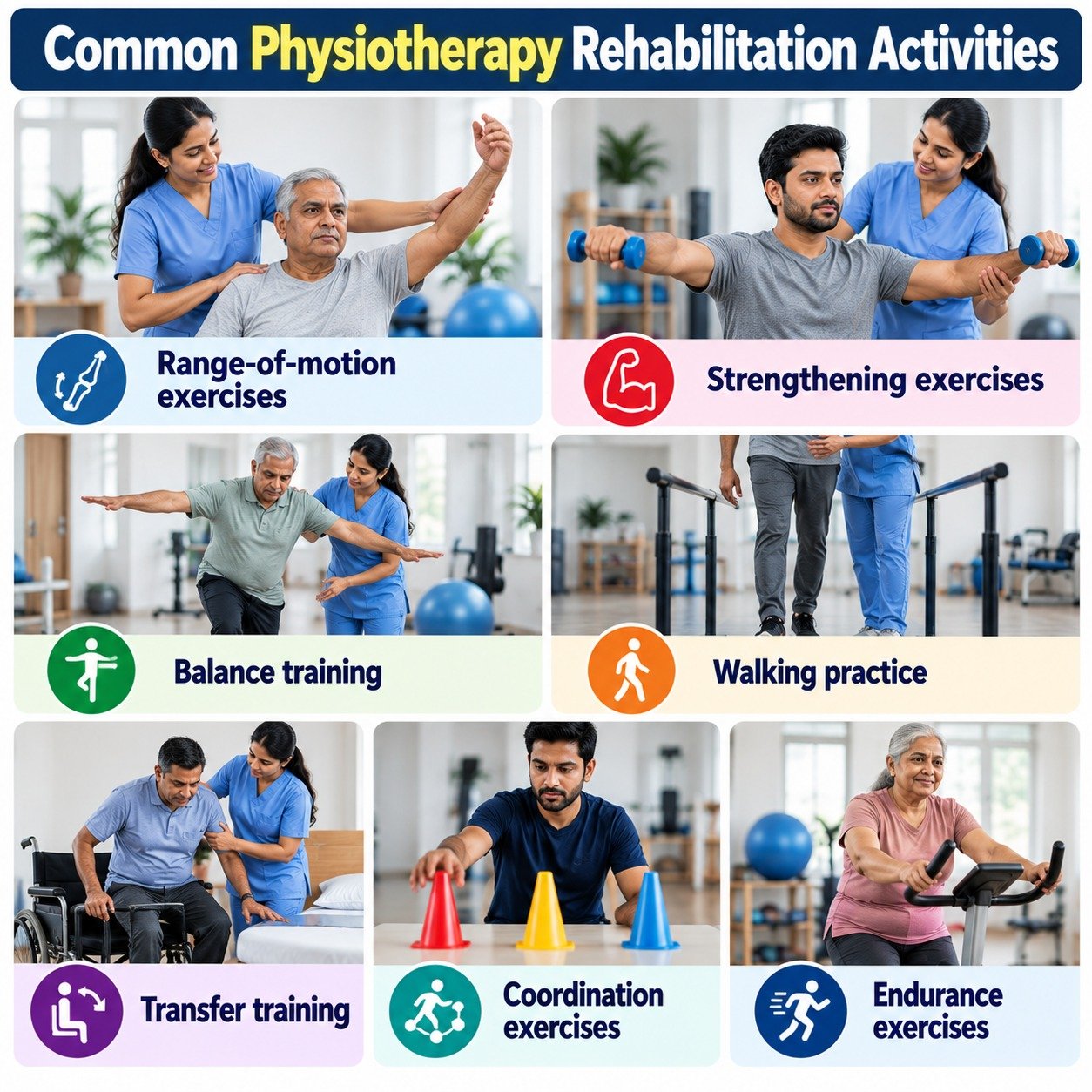
Common Physiotherapy Rehabilitation Activities
Activity | Purpose |
Range-of-motion exercises | Maintain or improve joint movement |
Strengthening exercises | Improve muscle strength |
Balance training | Improve stability and reduce movement-related risks |
Walking practice | Develop mobility and gait |
Transfer training | Improve movement between bed, chair, and standing |
Coordination exercises | Improve controlled movement |
Endurance exercises | Improve tolerance for physical activity |
Functional activities | Connect therapy with daily living |
Not every patient needs every activity. The rehabilitation team selects exercises according to the individual’s condition and goals.
Can Physiotherapy Help After Paralysis?
Yes, physiotherapy can form an important part of rehabilitation for people living with paralysis. The potential benefits depend on the cause, severity, location, duration, and overall medical condition.
The focus may be on maintaining joint mobility, improving available muscle function, developing better balance, practising transfers, improving mobility, and increasing independence.
Families looking for a Paralyze Physiotherapy specialist in Khopoli Mumbai & Thane should seek an assessment before beginning any exercise programme because paralysis can have different causes and levels of severity.
How Long Does Physiotherapy Take?
There is no universal recovery timeline.
Some patients may notice improvements within a relatively short period, while others may need rehabilitation for several months or longer. Neurological recovery can be especially variable.
The outcome may depend on:
- Severity of the condition
- Type of neurological problem
- Age
- Overall health
- Existing medical conditions
- Muscle strength
- Level of mobility
- Consistency of therapy
- Patient participation
- Family and caregiver support
Instead of focusing only on how quickly recovery happens, patients should focus on gradual and measurable improvements.
Importance of Consistency in Rehabilitation
Regular practice is an important part of physical rehabilitation. Patients often need repeated practice to improve movement and functional abilities.
For example, a person who has difficulty standing may need repeated, supervised standing practice before they develop better control. Similarly, someone relearning walking may require consistent gait training.
Caregivers can support recovery by following professional instructions and encouraging the patient to participate safely in recommended activities.
However, exercises should not be started or increased without professional advice, particularly when the patient has a neurological condition, recent surgery, severe weakness, or other medical concerns.
Our Service Areas
Urja NeuroCare provides neurological and physiotherapy rehabilitation support for patients in Khopoli and nearby areas within approximately 10 km, making regular therapy and rehabilitation more accessible to local families.
Our service areas include Kalote Rayte, Kalote Mokashi, Vinegaon, Chauk, Sangdewadi, Khalapur, Honad, Lowjee, Varai, Khopoli, and Mohili. Patients from these nearby locations can connect with Urja NeuroCare for personalised rehabilitation and ongoing physiotherapy support.
Why Consider Urja NeuroCare?
Urja NeuroCare is focused on neurological and rehabilitation care in Khopoli. Its rehabilitation environment is designed for patients who may need structured therapy, physical training, nursing support, and caregiver assistance.
For families searching for a best physiotherapy clinic in Khopoli Mumbai & Thane the most important consideration should be whether the rehabilitation programme matches the patient’s actual needs.
A patient recovering from stroke may require a different programme from someone experiencing general muscle weakness. Similarly, a patient with paralysis may need more intensive mobility and functional training.
Urja NeuroCare takes a rehabilitation-focused approach that aims to support patients throughout their recovery journey.
Take the Next Step Towards Better Movement
Physical recovery can be a gradual journey, especially after stroke, paralysis, neurological illness, surgery, or prolonged inactivity. With appropriate assessment, structured therapy, regular practice, and caregiver support, patients can work towards meaningful improvements in movement and independence.
If you are considering Physiotherapy Treatment in Khopoli Mumbai & Thane speak with the rehabilitation team to understand which approach may be appropriate for your condition.
The right rehabilitation programme should always be based on individual assessment rather than a standard exercise routine. At Urja NeuroCare, patients can discuss their condition, rehabilitation requirements, and recovery goals with the care team before starting a programme.
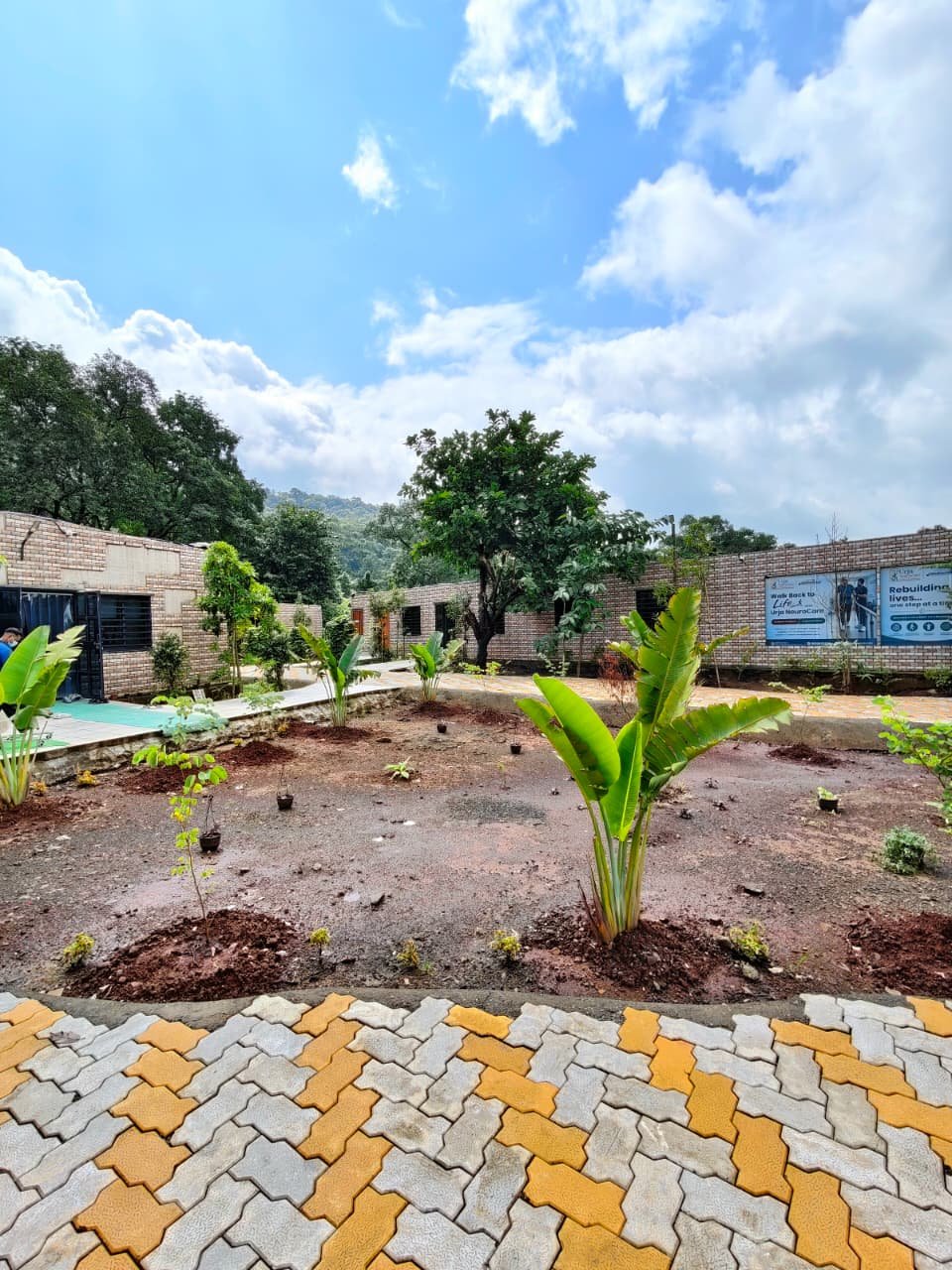
OUR GALLERY
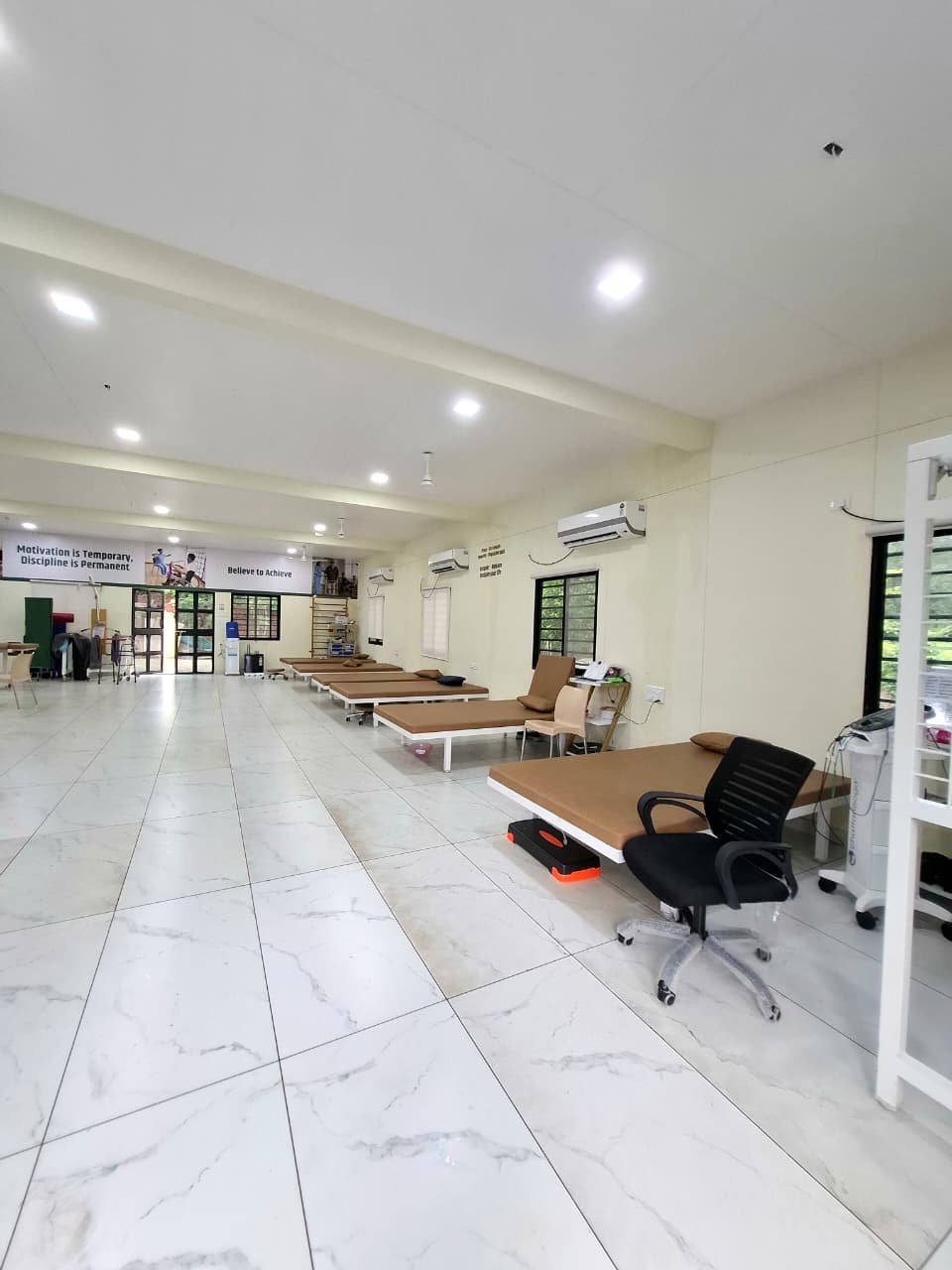
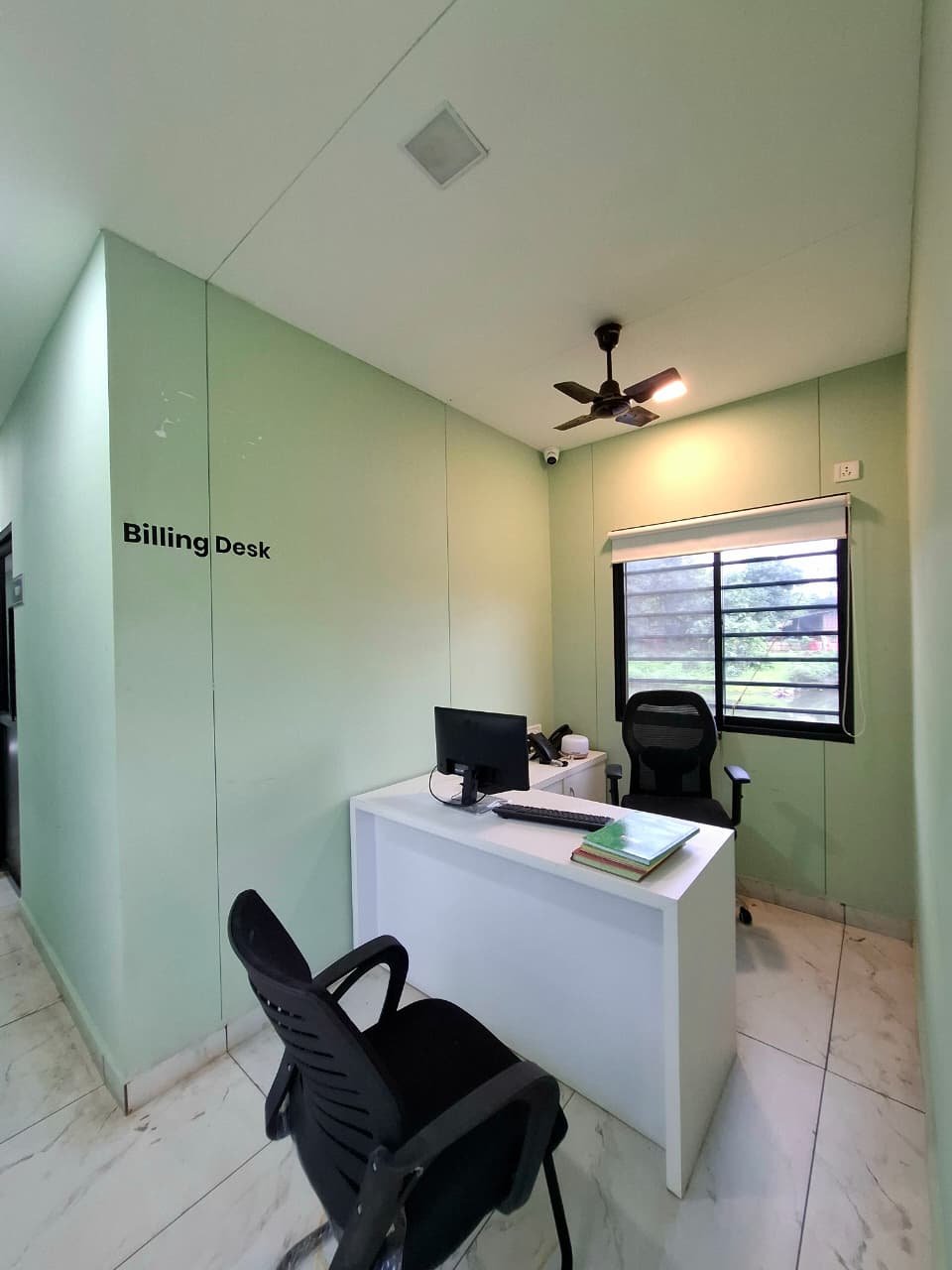
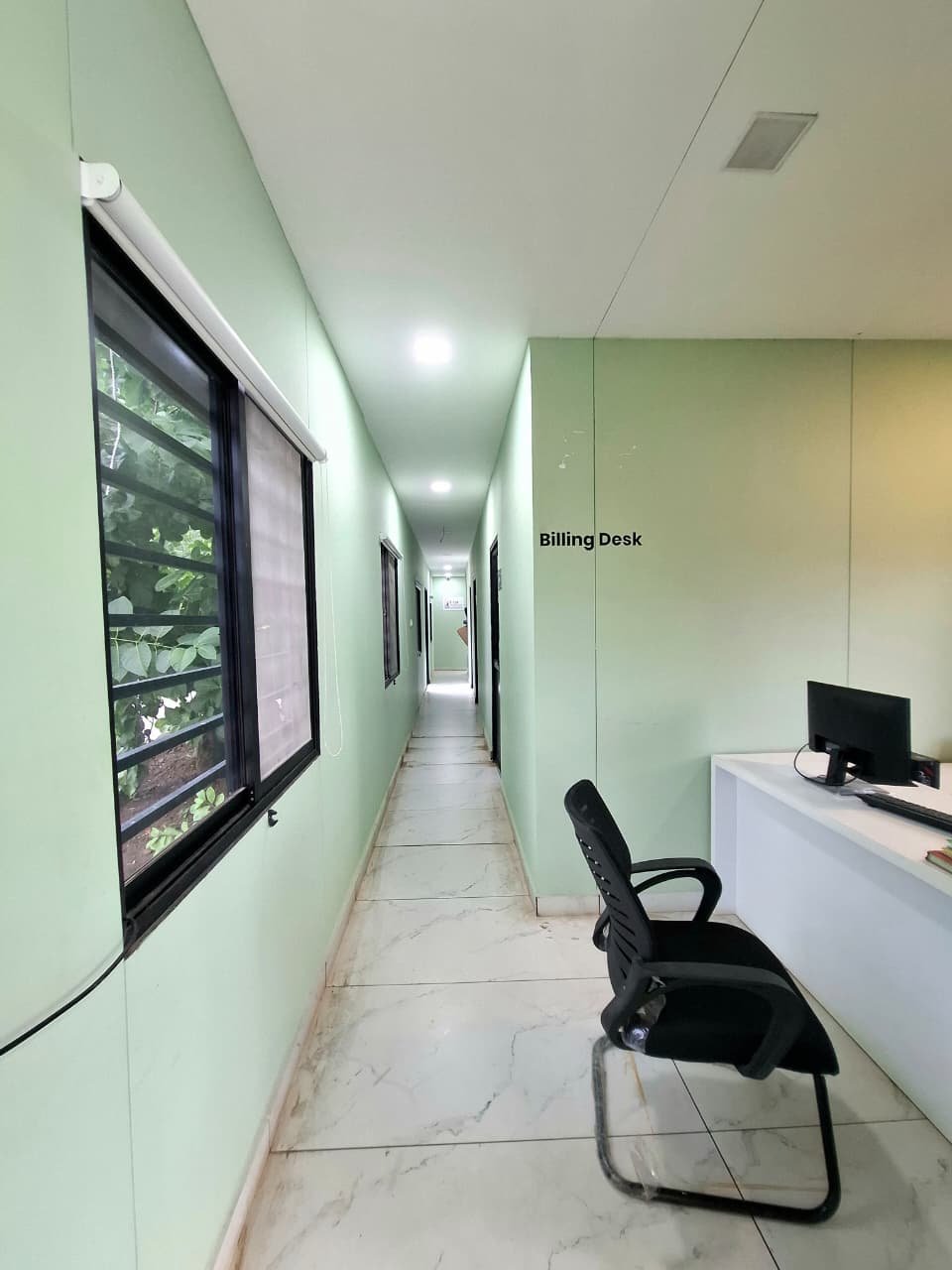
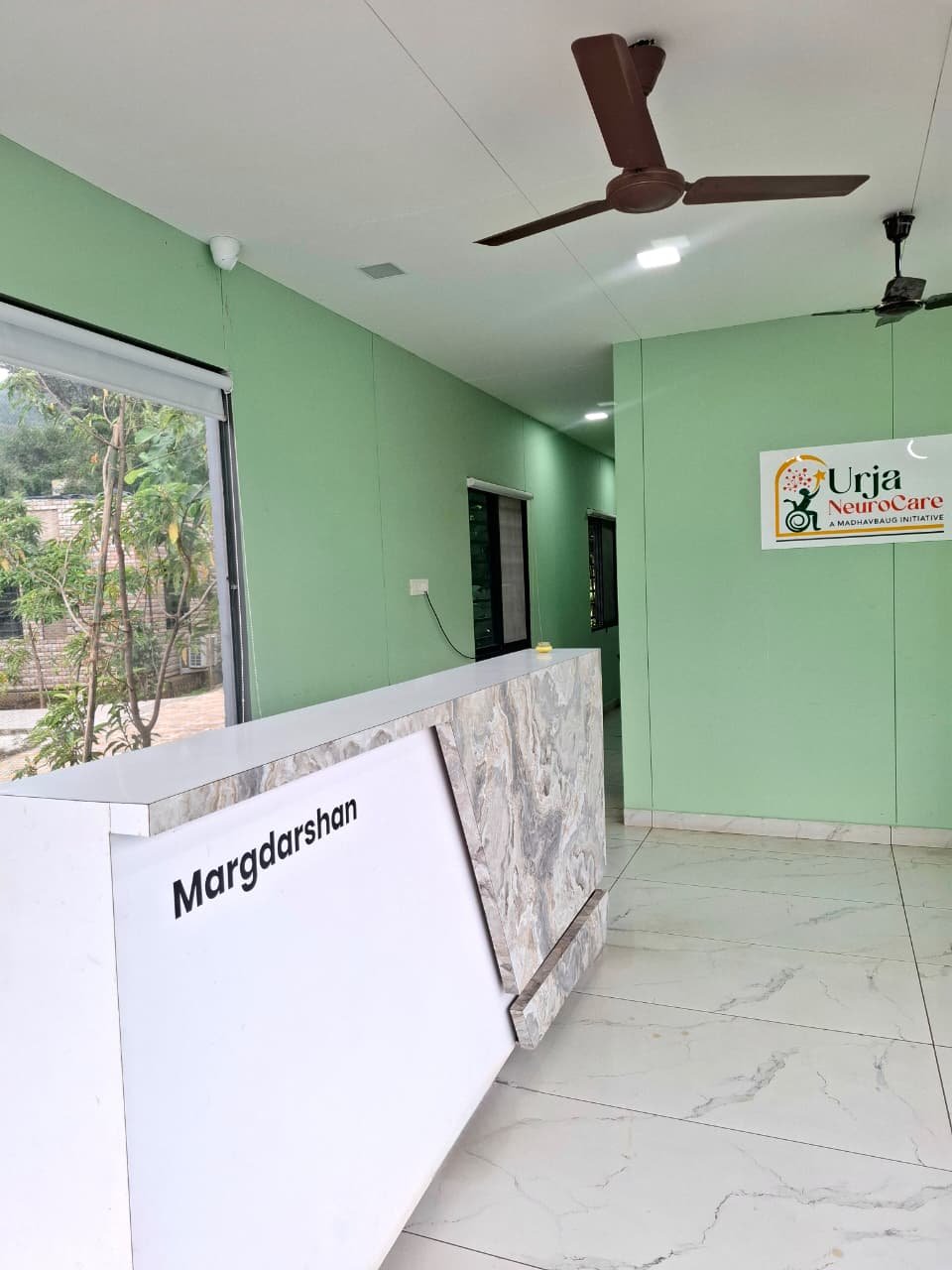
A glimpse into our healing journey — caring spaces, personalized therapy, and moments of progress.
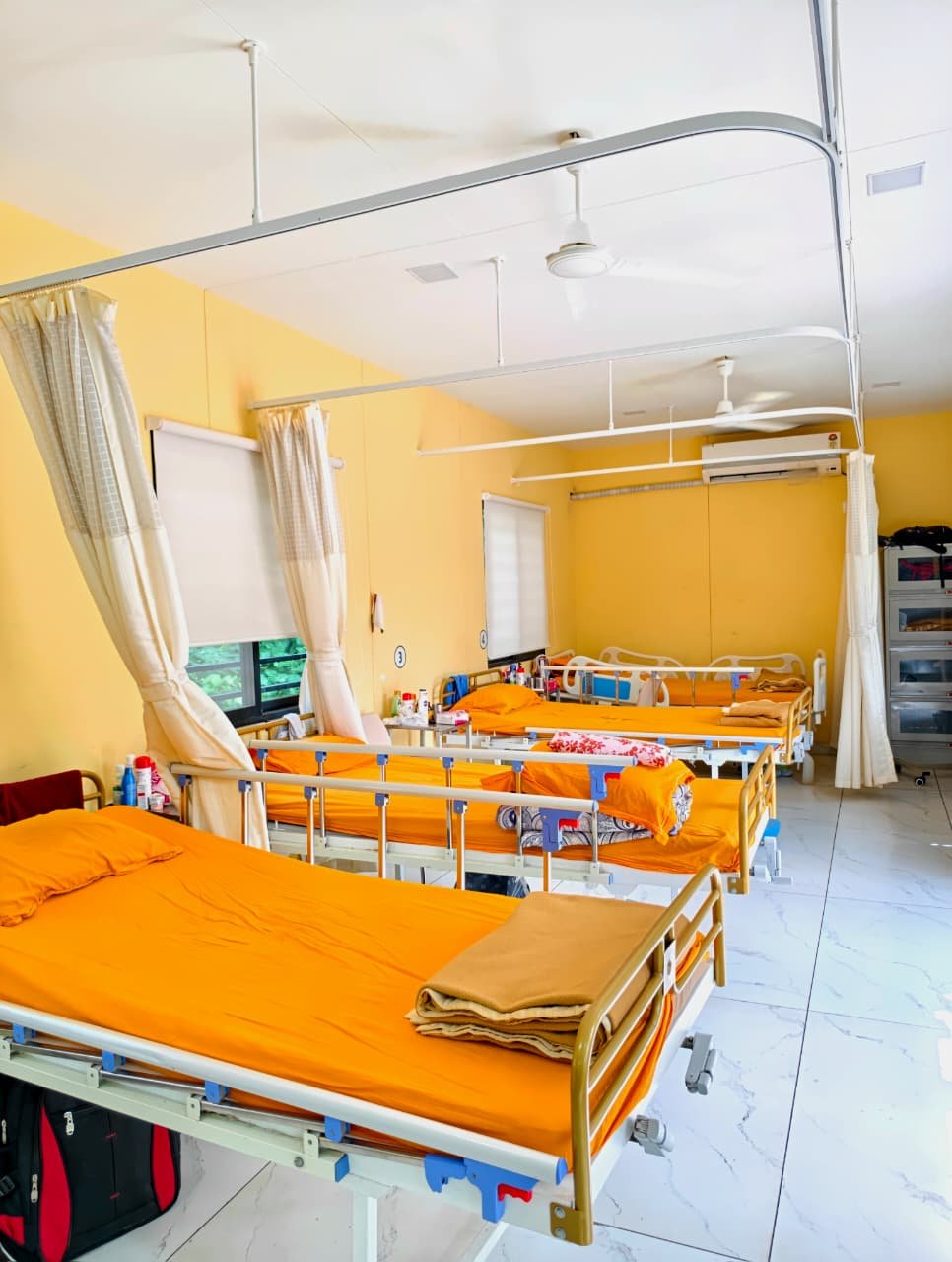
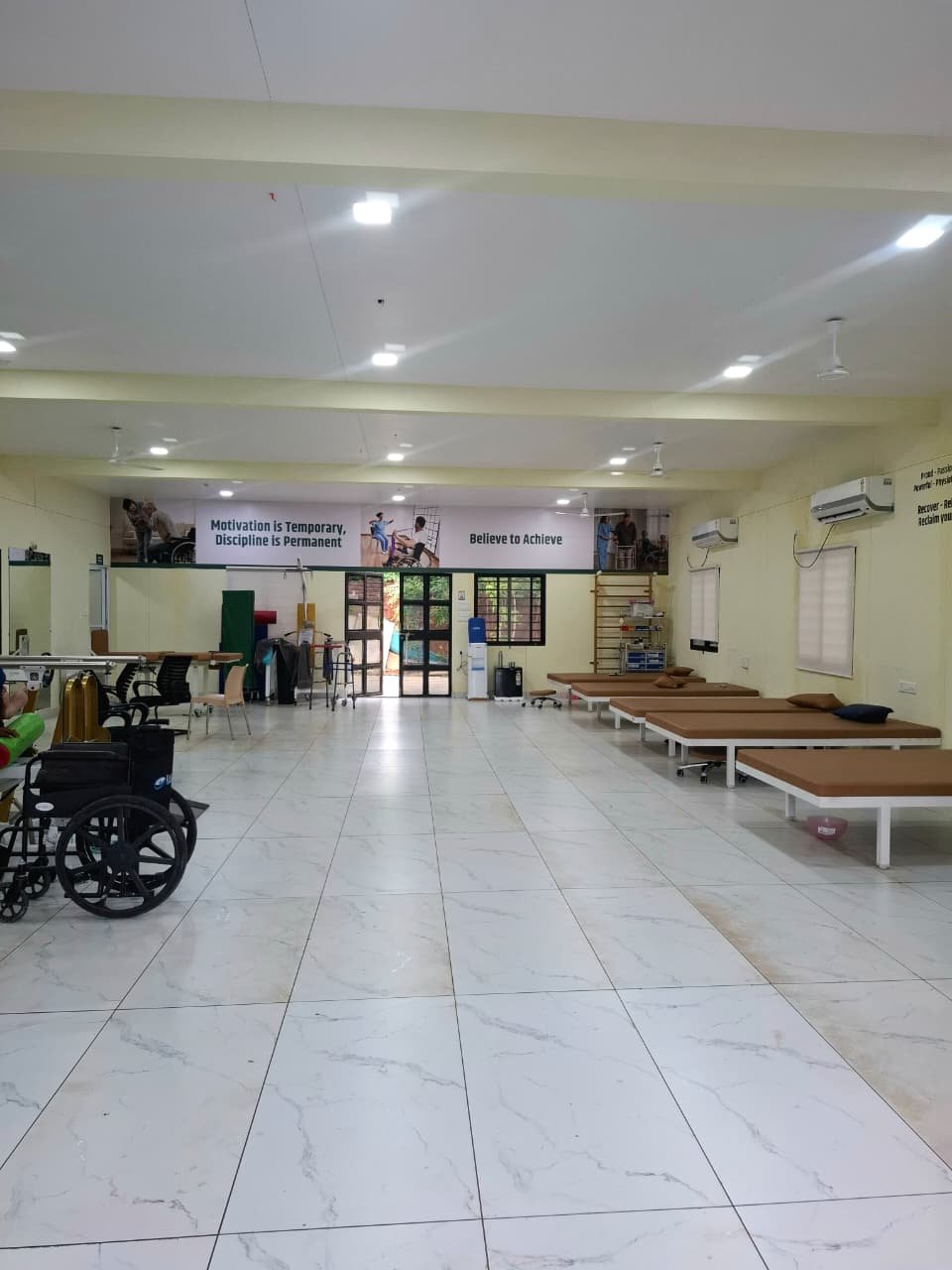
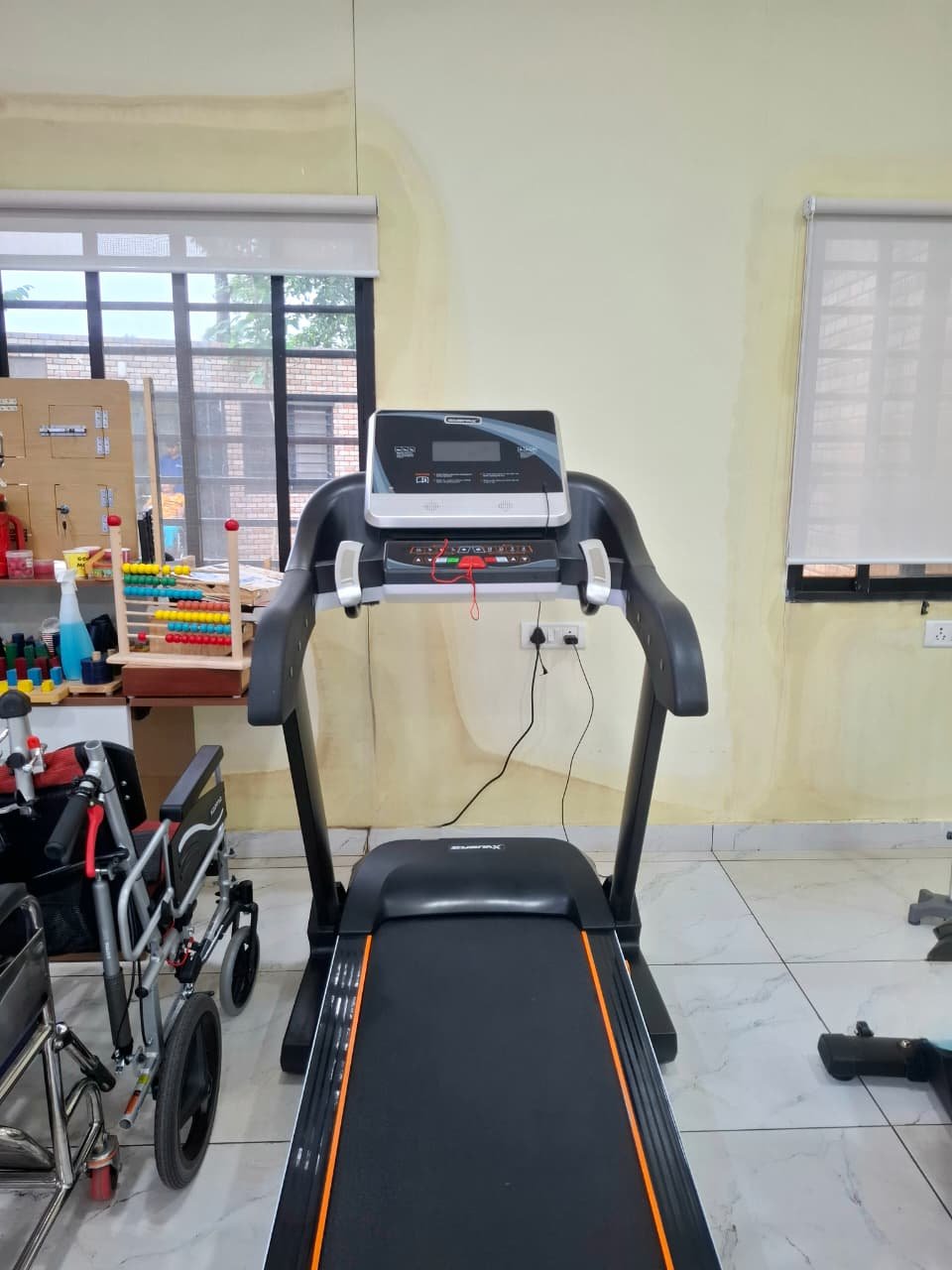
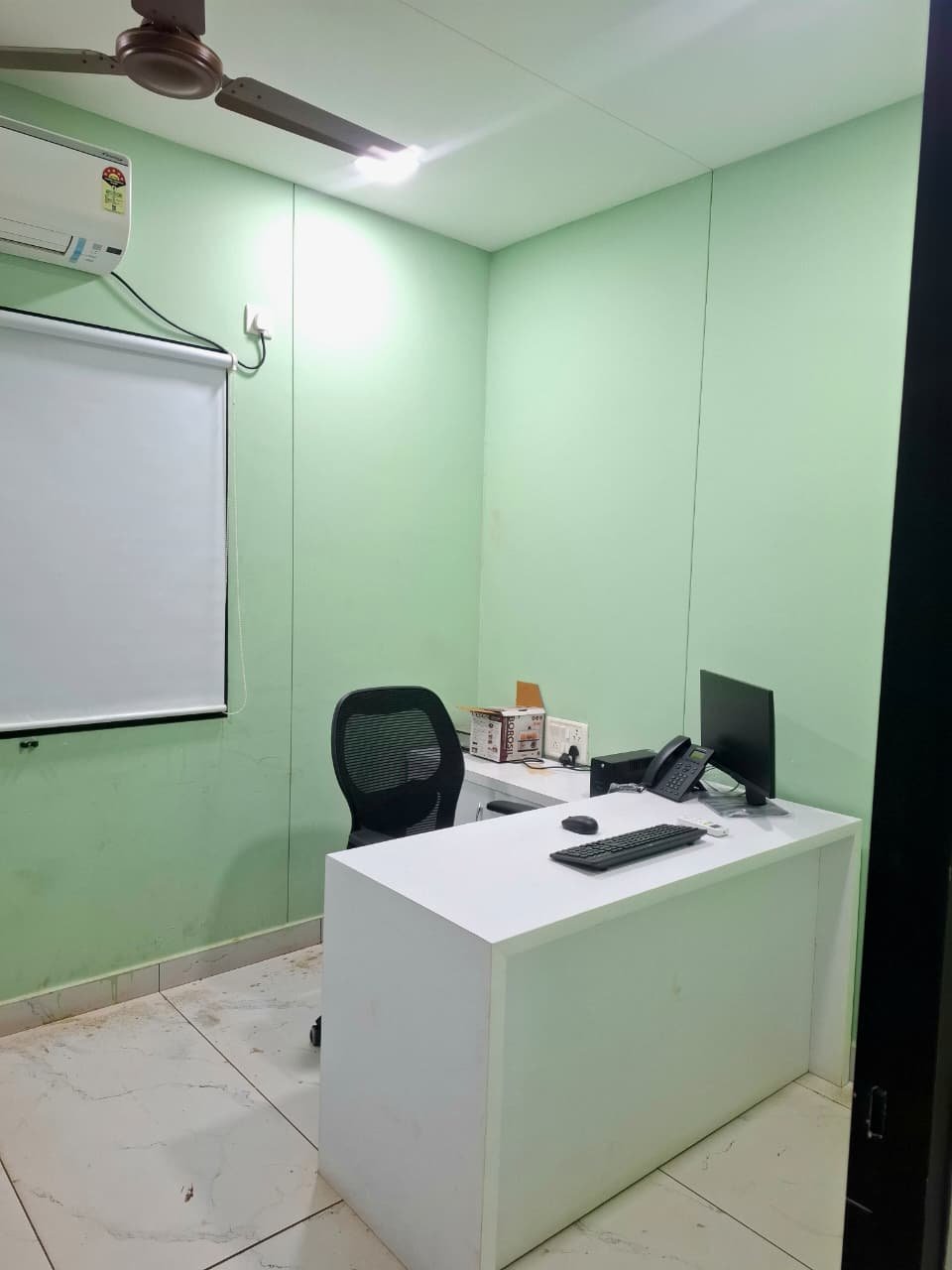
Patient Testimonials
 Posted on Google
 Poonam Raut
Trustindex verifies that the original source of the review is Google.
Khup cooperative team work ahe patient la khup improvement jhali ahe upchar gheun urja center madhe .. Balanace kahich jamat navhta before treatment pan Ata treatment complete jhali ahe ani tyana balance jamtoy Khup chan experience ahe thanks all team urja neuro carePosted on Google Ravi Lokhandeमी माझ्या उपचारासाठी खोपोली येथील माधवबागला भेट दिली. सर्व कर्मचाऱ्यांनी उत्कृष्ट सेवा आणि काळजी दिली. खूप छान प्रकारे समजून सांगतातPosted on Google
 Prakash Patil⭐⭐⭐⭐⭐ My wife had weakness on the right side of her body and was facing a lot of difficulties in her daily life. We visited Urja Neuro Care Centre, and after receiving treatment, therapy, and continuous support from the doctors and staff, her condition improved significantly. Today, she is doing much better, and the problems she was facing have greatly reduced. We are truly grateful to the entire team at Urja Neuro Care Centre for their professional care, dedication, and encouragement throughout the journey. I highly recommend Urja Neuro Care Centre to anyone looking for quality neurological rehabilitation and compassionate care.Posted on Google
 kiran bhideIt’s a good residential rehab for traumatic brain injury patient. My friend got a good results and started walking in 45 days of taking admission at Urja NeuroCare. Must for recent Neuro patients looking for recovery.Posted on Google
 Satish SonavaneVery good treatment for patient
Frequently Asked Questions
What does a physiotherapy centre provide?
A physiotherapy centre provides assessment, therapeutic exercises, mobility training, strengthening, balance activities, functional rehabilitation, and education according to the patient’s condition.
Is physiotherapy useful after stroke?
Yes. Physiotherapy can support recovery after stroke by working on movement, strength, balance, walking, coordination, and functional independence.
Can physiotherapy help people with paralysis?
Physiotherapy may help people with paralysis maintain mobility, improve available physical function, practise transfers, manage movement limitations, and work towards greater independence.
What is the purpose of neurological rehabilitation?
The purpose is to help people with neurological conditions improve movement and physical function and become as independent as possible in everyday activities.
Can bedridden patients receive physiotherapy?
Depending on their medical condition, bedridden patients may benefit from appropriate physiotherapy. Treatment can include positioning, range-of-motion exercises, mobility activities, strengthening, and gradual functional training.
Is physiotherapy painful?
Physiotherapy may sometimes cause muscle fatigue or mild discomfort, particularly when a patient is beginning exercises. However, severe or unusual pain should always be reported to the treating healthcare professional.
Fun, game-based therapy to enhance mental agility, focus, and hand-eye coordination.
Should family members participate in rehabilitation?
Yes. Family and caregiver involvement can be helpful, particularly when patients require assistance with mobility or daily activities. Caregivers should follow instructions provided by the rehabilitation team.
Does every patient recover at the same speed?
No. Recovery varies considerably between individuals. The diagnosis, severity, general health, age, consistency of therapy, and response to treatment can all influence progress.